When the Germans occupied Poland, Irena was a social worker for the city of Warsaw. In November 1940 the Nazis sealed about 400,000 Jews inside the Warsaw Ghetto. Hunger and disease spread fast.
Irena got a permit to enter the ghetto to check for typhus. She used it to bring in food and medicine, and then to do something far more dangerous.
Together with a small network of mostly women, she began smuggling Jewish children out. Some were carried out hidden in sacks, boxes or an ambulance. Others were led out through buildings that had doors on both sides of the ghetto wall.
Every child got a new Polish name and false papers. They were hidden with Polish families, in orphanages and in convents.
But Irena wanted the children to be able to find their families one day. So she kept lists, written in code, of every child’s real name and where they were hidden. The lists were later buried in jars in a garden.
In October 1943, the Gestapo arrested her. She was beaten and tortured in Pawiak prison, but she never revealed the names of the children or of the people helping her. She was sentenced to death.
On the day she was to be executed, the underground group Żegota bribed a German guard, and she was set free. She went into hiding and kept working.
The exact number of children saved is not known. Irena herself spoke of the names of 2,500 children in her files. Historians say her network helped at least several hundred.
For decades, the world barely knew her name. Then, in 1999, a group of high school students in Kansas found her story and wrote a play about her called “Life in a Jar.”
Irena Sendler died in Warsaw in 2008, at the age of 98. She never thought of herself as a hero. She once said she could have done more.
Had you heard of Irena Sendler before today? Tell us in the comments.
More stories you might love
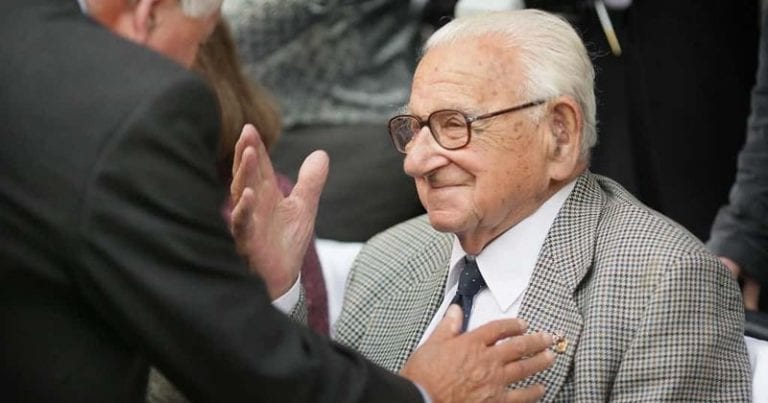 Meet Sir Nicholas Winton, the WW2 Hero Who Saved 669 Children From the Nazis
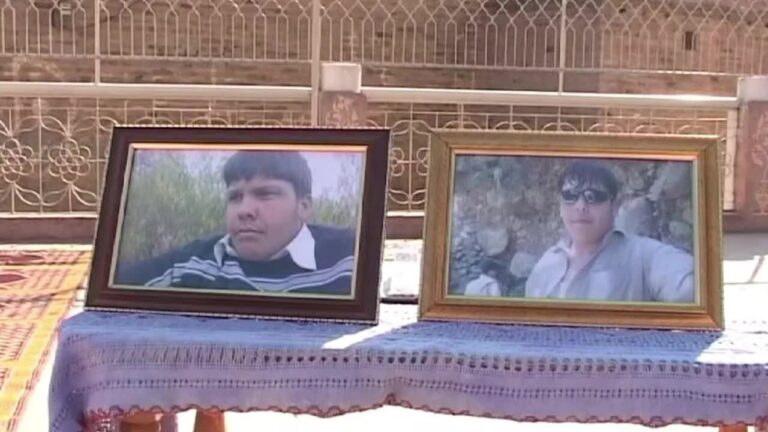 He Was Late for School That Morning. Then a 15-Year-Old Boy Saw a Stranger Wearing a Bomb at the Gate
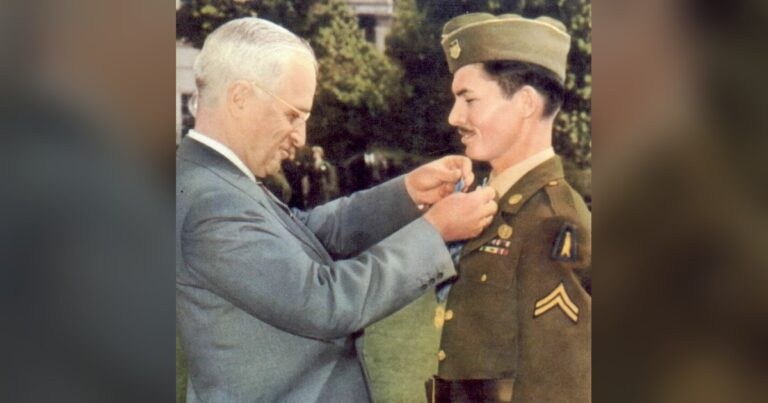 He Refused to Carry a Gun Into War, and the Other Soldiers Threw Shoes at Him. Then He Lowered About 75 Wounded Men Down a Cliff, One by One