It is one of the first Christmas songs most of us ever learned. Even small children can sing every word about the reindeer with the shiny nose who was laughed at, left out, and then saved Christmas.
But the true story of how Rudolph was born is far more touching than most people know. It began with a shy man, a little girl and a very hard year.
A job nobody wanted to pay for
In early 1939, the Montgomery Ward department store chain in Chicago wanted a Christmas booklet to give away to children. For years it had bought colouring books to hand out. This time, the bosses decided it would be cheaper to write their own.
The job went to a 34-year-old copywriter named Robert L. May, who was known around the office for his funny poems.
May had been small, shy and slight as a boy, and other children had teased him for it. So he decided his Christmas hero would be an outsider too. As he later put it, “a loser, yet triumphant in the end.”

Fog on Lake Michigan
His four-year-old daughter, Barbara, loved the deer at the Lincoln Park Zoo, so a reindeer seemed right. But what would make this reindeer special?
May was sitting in his office one day, watching fog roll in off Lake Michigan and blur the streetlights, when it came to him.
“Suddenly I had it!” he wrote. “A nose! A bright red nose that would shine through fog like a flood light.”
He almost called the reindeer Rollo, then Reginald. In the end, he chose Rudolph. As he wrote the story in rhyme, he read it aloud to Barbara to see if she liked it. She loved it.
His bosses were less sure. A red nose, they worried, made people think of drinking. So May took an artist friend from the store, Denver Gillen, to the zoo to sketch the deer. Gillen’s drawings won them over.
“I needed Rudolph now more than ever”
But that year, while he was writing about a little reindeer who didn’t fit in, Robert May’s own life was falling apart.
His wife, Evelyn, had cancer. Over the summer she grew worse, and in July 1939 she died. She was only 33. May was left alone with Barbara and a pile of medical bills.
His boss offered to give the project to someone else. May said no.
“I needed Rudolph now more than ever,” he later wrote. He threw himself into the work, and by late August it was finished. He called Barbara and her grandparents into the living room and read them the whole story.
Looking at their faces, he said, he could see it did what he had hoped.
Two million copies
That Christmas, Montgomery Ward gave away about 2.4 million copies of the booklet. By 1946, about six million had been handed out.
Because May had written it as part of his job, the store owned Rudolph and he earned nothing extra. But in January 1947, the company’s president, Sewell Avery, did something remarkable: he gave the rights to Rudolph to May. For a struggling single father, it changed everything.
A brother-in-law with a melody
May’s brother-in-law, a songwriter named Johnny Marks, thought Rudolph could make a wonderful song.
His first try, he admitted, was “one of the worst songs ever written.” Then, about a year later, he was walking down the street when a new melody popped into his head. “It’s the only time that ever happened,” he said, “and I have to admit, it’s a great melody.”
The big stars weren’t interested. Perry Como passed. So, Marks later said, did Bing Crosby and Dinah Shore.
The singing cowboy who almost said no
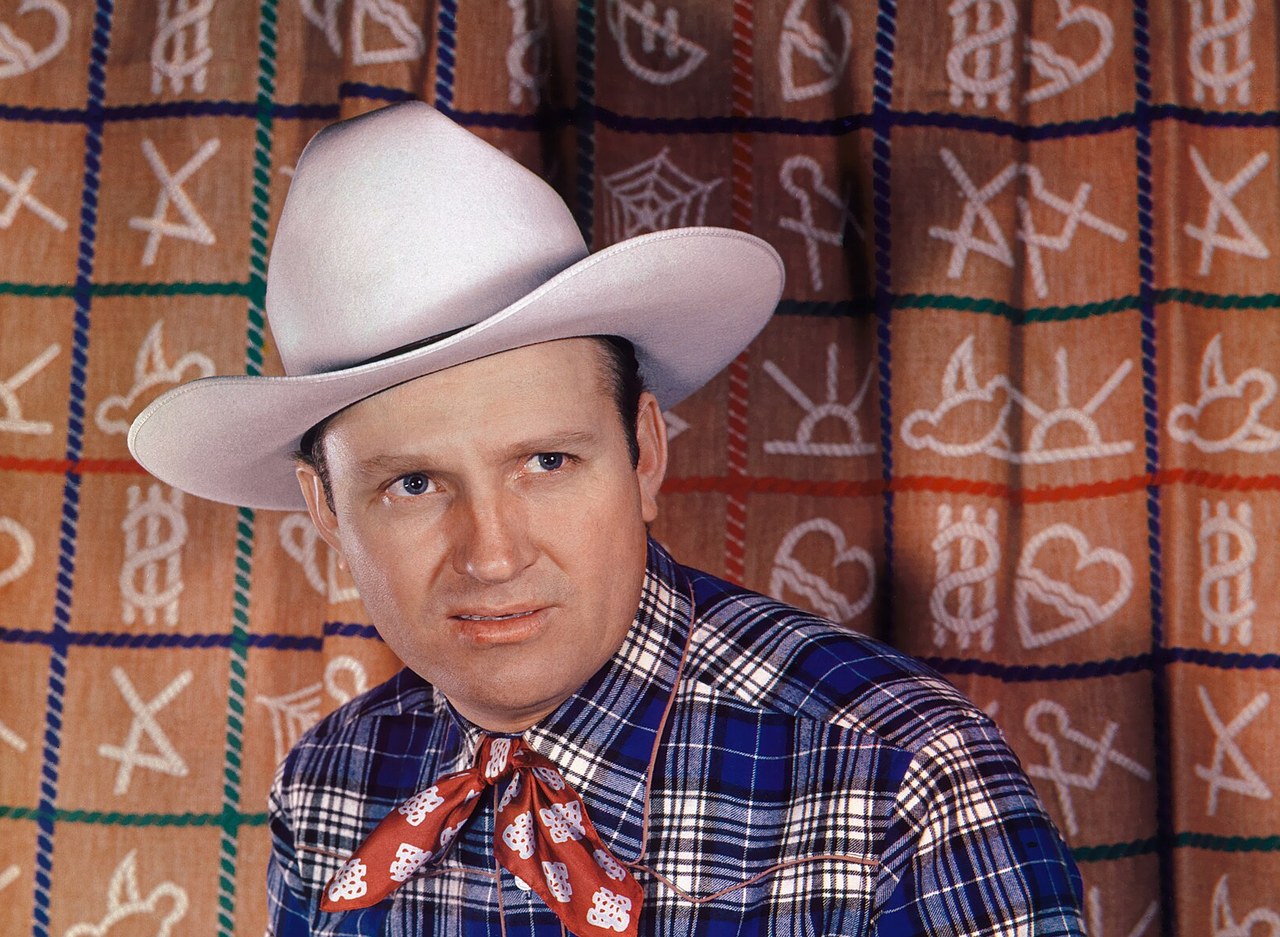
Then the song reached Gene Autry, the most famous singing cowboy in America, who had already had a Christmas hit with “Here Comes Santa Claus.”
Autry always said he didn’t care much for Rudolph at first. But his wife, Ina, heard the demo and fell in love with it. Its Ugly Duckling story enchanted her, and she urged him to record it. He listened to her.
He recorded it in 1949, reportedly in a single take. It sold about two million copies that first season, and for years it was the best-selling Christmas song ever after Bing Crosby’s “White Christmas.”

The underdog who won
Robert May never forgot what Rudolph had done for him in that terrible year. A lonely little outsider, laughed at for being different, became the hero everyone loves.
So the next time you hear Gene Autry sing it, remember the shy man by the window watching the fog, and the little girl who heard the story first.
Press play above and sing along. You know all the words.
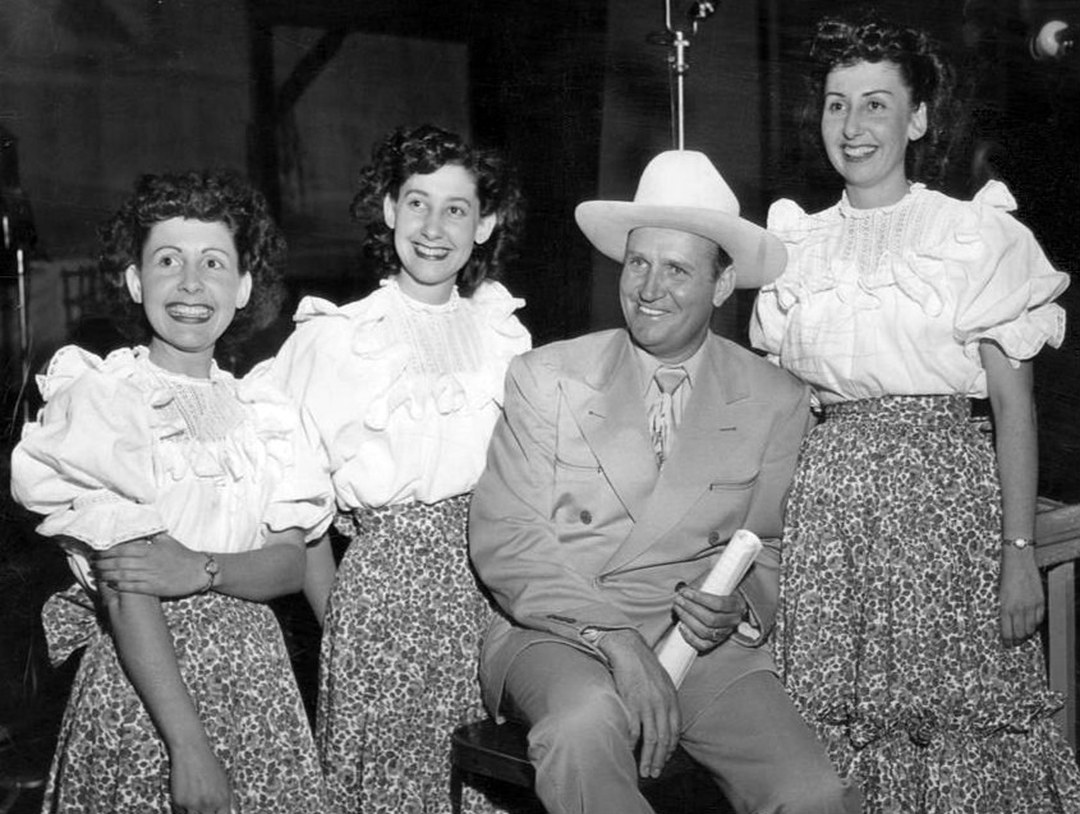
Images: Gene Autry portrait by Harry Warnecke and Robert F. Cranston (public domain, National Portrait Gallery) and CBS Radio photo (public domain) via Wikimedia Commons; animation frames from Gene Autry’s official video.
More stories you might love
 Bing Crosby Met David Bowie Weeks Before He Died. What They Sang Became a Christmas Classic
 Judy Garland Refused to Sing the First Version of “Have Yourself a Merry Little Christmas.” Read the Lines She Turned Down
 The Home Alone Theme Was Supposed to Be Written by Someone Else. Then John Williams Asked to See the Movie