For 23 years, Felix Grétarsson could not hug his own daughters.
He could stand next to them. He could talk to them and love them. But when they cried as babies, he could not pick them up. When they grew up, he could not wrap his arms around them.
Then, one January morning, his phone rang.
The day his life changed
Guðmundur Felix Grétarsson was a 26-year-old electrician in Iceland. He had two little girls: one was four, the other just three months old.
On January 12, 1998, he was sent out to work on a high-voltage power line. There was confusion about which line was switched off. He touched one that was not. The shock threw him to the frozen ground.
He spent three months in a coma. When he woke up, doctors had been forced to remove both of his arms at the shoulders.
The years that followed were very hard. He has spoken openly about how lost he felt, and about the long road back, which included a liver transplant. “When you lose your hands, you don’t touch anything and no one touches you,” he said later. “It’s like you’re living in a bubble.”
A question for a famous surgeon
But Felix kept watching the news from the world of medicine. In September 1998, the same year as his accident, a team in Lyon, France, performed one of the first successful hand transplants. It was led by Professor Jean-Michel Dubernard.
Years later, when Dubernard visited Reykjavik for a conference, Felix went to meet him and asked him a simple question: could his arms be replaced?
Nobody in the world had ever received two new arms and shoulders. But the answer was not no.
In 2013, Felix moved to Lyon to be near the hospital. Then he waited. And waited. Finding the right donor took years.
23 years to the day
On the morning of January 12, 2021, exactly 23 years after his accident, the call came. Get to the hospital.
The next day, at the Édouard Herriot Hospital in Lyon, a team of around 50 medical staff began an operation that lasted about 15 hours. When it was over, Felix had become the first person in the world to receive a transplant of both arms and both shoulders.
The doctors warned him the hard part was only beginning. Nerves grow back slowly, about a millimetre a day. It could take years for feeling to reach his hands. The first months were painful, and he spent hundreds of hours in rehabilitation.
The hug he waited for
Slowly, things began to move. First a little strength in his upper arms. Then his elbows. Then, earlier than anyone expected, his fingers.
By 2022, he could brush his own teeth, throw a ball for his dog and give a high five. He even gave the President of Iceland a high five.
And he could finally do the thing he had missed most of all.
He hugged his daughter, the baby girl who was only three months old when he lost his arms. Then he hugged his grandchildren for the very first time.
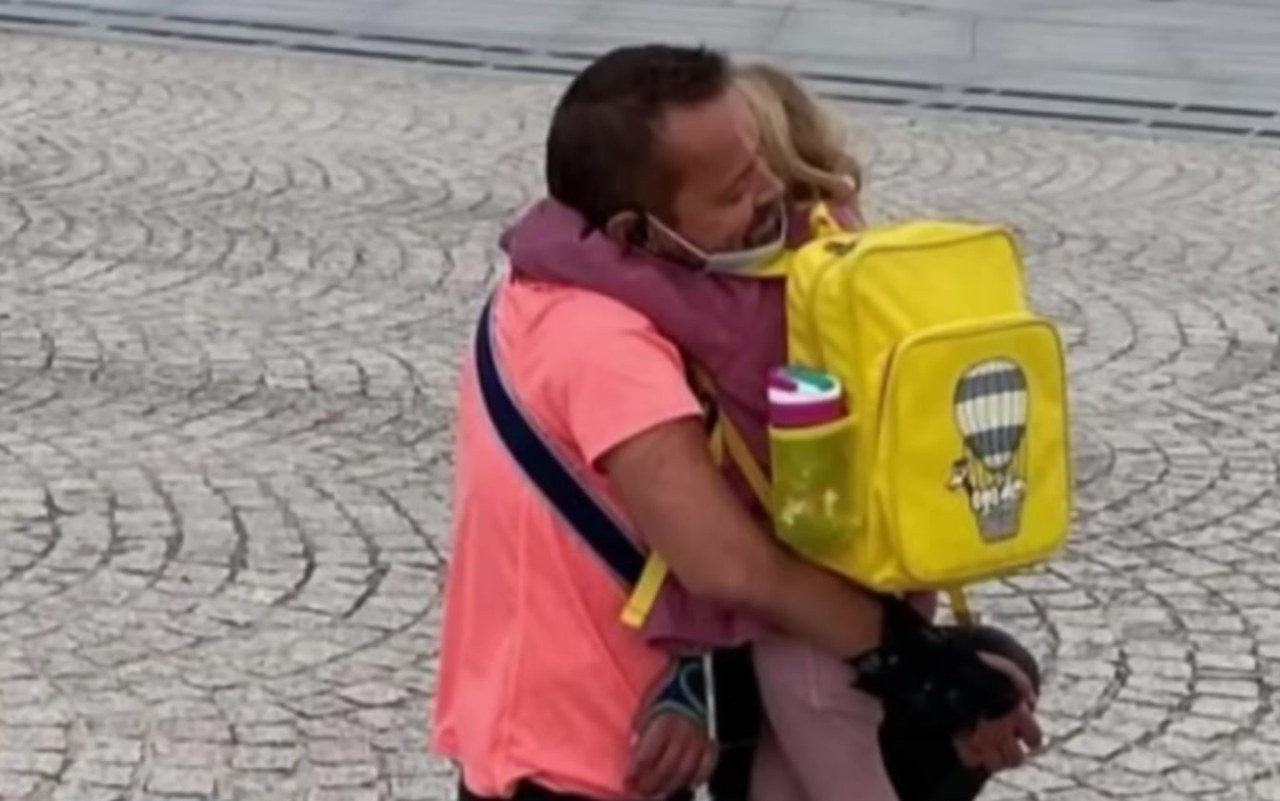
“After watching them as little babies crying and being unable to hold them, it was indescribable,” he said.
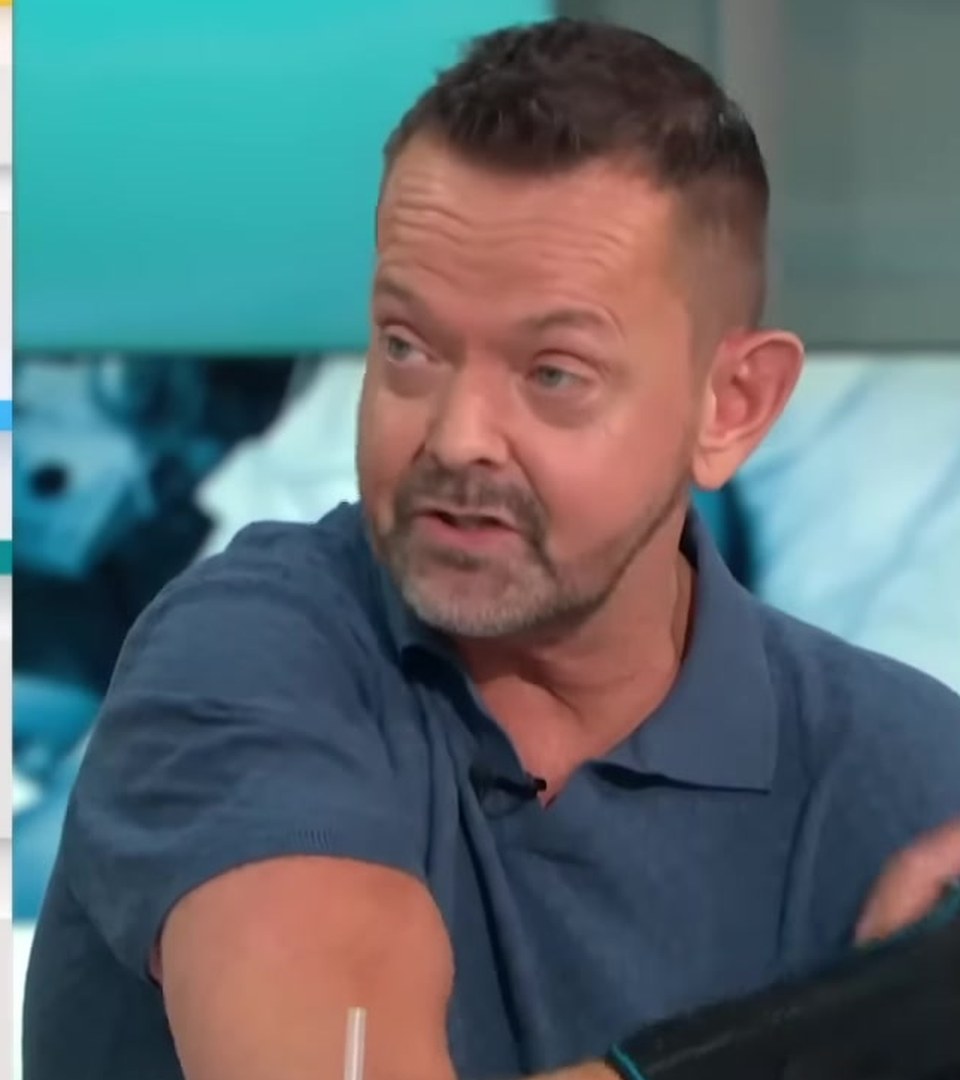
Sitting beside his wife on British television, he said he now had feeling in every finger. Sometimes, he said, it was the smallest things that got to him, like putting his hand out of the car window and feeling the wind on it.
Watch Felix tell his story in the video above.
Images: frames from the Good Morning Britain interview (ITV, video above), on-screen graphics cropped out.
More stories you might love
 His Son Died at 16 and Saved a Stranger With His Heart. A Year Later, a Package Arrived, and Dad Heard That Heart Beat Again
 He Walked Into a Post Office in His Hometown and Asked for £100,000. Then Michael Sheen Quietly Wiped Out £1 Million of Strangers’ Debts
 A 9-Year-Old Fell Behind in a 5K and Asked a Stranger in Army Boots for Help. The Marine’s Answer Went Viral