It is one of the gentlest, most comforting songs of the Christmas season. But the very first version was so gloomy that Judy Garland flatly refused to sing it.
A song for a sad little girl
In 1943, songwriter Hugh Martin was working on the songs for an MGM musical called Meet Me in St. Louis, starring Judy Garland.
One scene takes place on Christmas Eve. The family is about to move away from the home they love, and Garland’s character, Esther, finds her little sister Tootie, played by seven-year-old Margaret O’Brien, heartbroken by the window.
Esther is supposed to cheer her up with a song. Martin wrote “Have Yourself a Merry Little Christmas” for that moment.
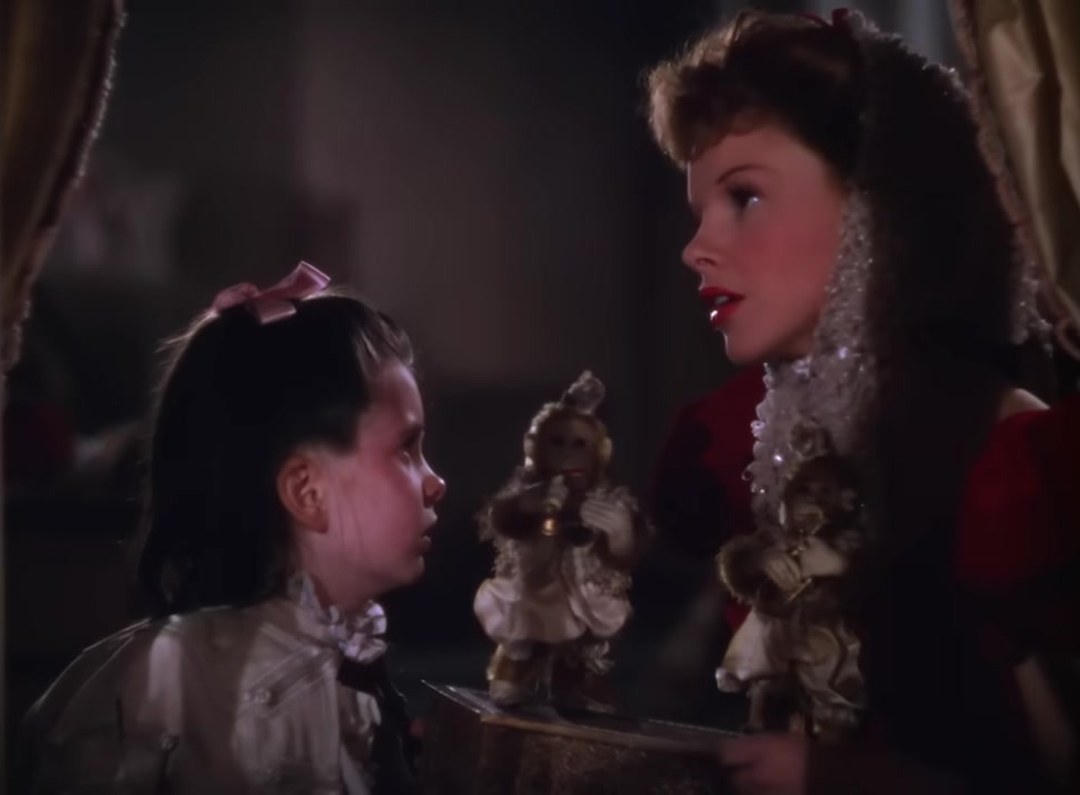
The tune almost didn’t survive. Martin said he played around with the melody for a few days, couldn’t make it work, and threw it in the wastebasket. His writing partner, Ralph Blane, had heard it through the wall and told him it was too good to throw away.
“It may be your last”
Then came the lyrics. Martin’s first draft started like this:
Have yourself a merry little Christmas
It may be your last
Next year we may all be living in the past
Another line said that “faithful friends who were dear to us will be near to us no more.”
Martin himself later described those words as “hysterically lugubrious.” At the time, though, he thought they fit. The girls were supposed to be sad in that scene.
“They’ll think I’m a monster!”
About a week before they shot the scene, Judy Garland read the lyrics.
Margaret O’Brien remembered it years later. “She looked at the lyrics and said, ‘Don’t you think these are awfully dark? I’m going to go to Hugh Martin and see if he can lighten it up a little.’”
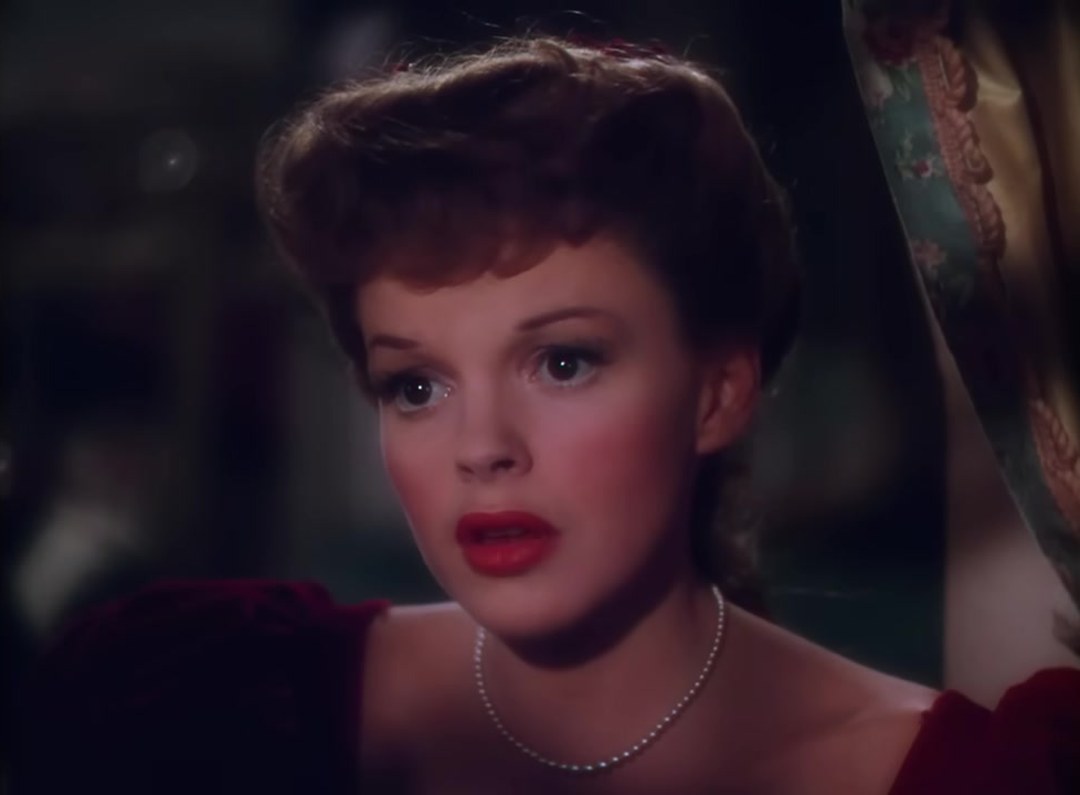
Garland put it more bluntly to Martin: “If I sing that to that sweet little Margaret O’Brien, they’ll think I’m a monster!”
Martin, young and a little proud, said no. He didn’t want to write new words.
It was the film’s young leading man, Tom Drake, who finally talked him round, telling him in no uncertain terms that he would regret it for the rest of his life if he didn’t fix that song.
A little light, a little hope
So Martin went home and rewrote it. “It may be your last” became “Let your heart be light.” The sad line about the past became “Next year all our troubles will be out of sight.”
He kept one bittersweet line near the end: “Until then, we’ll have to muddle through somehow.”
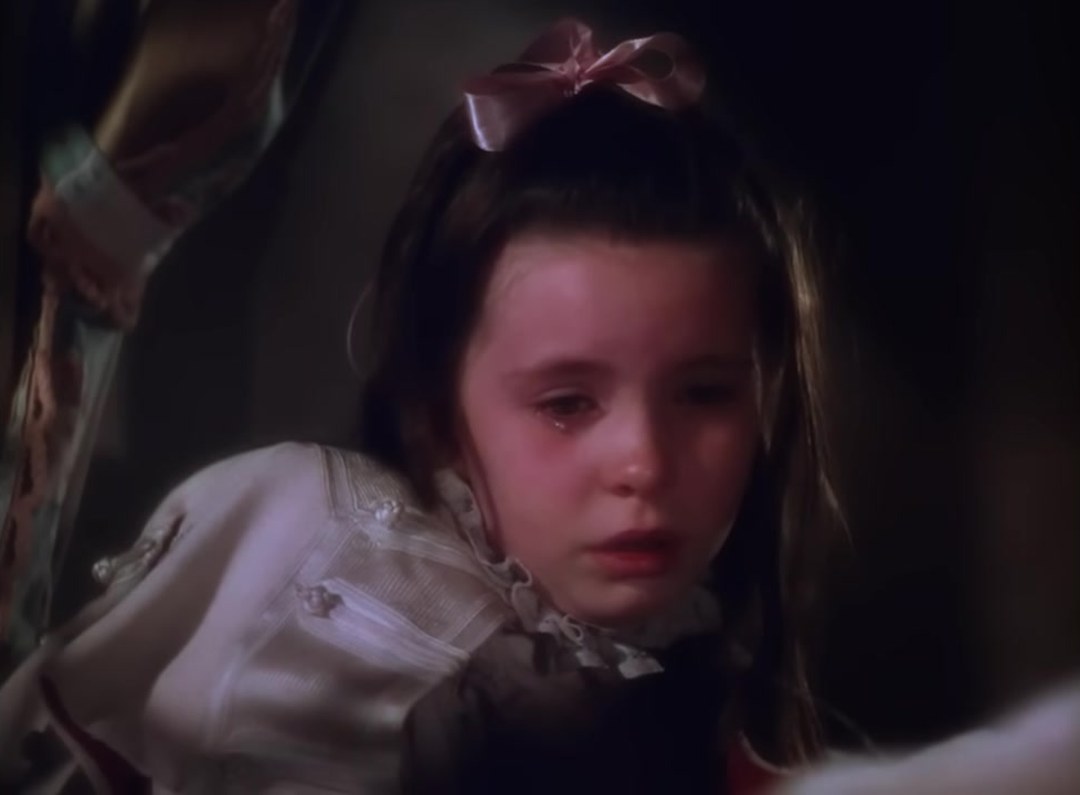
Garland sang it to Margaret O’Brien in the film, released in 1944, and it became one of the most loved moments in any Christmas movie.
Then Sinatra called
Frank Sinatra recorded the song in 1947. Ten years later, he was making a holiday album and picked up the phone to call Hugh Martin.
“The name of my album is A Jolly Christmas,” Sinatra told him. “Do you think you could jolly up that line for me?”
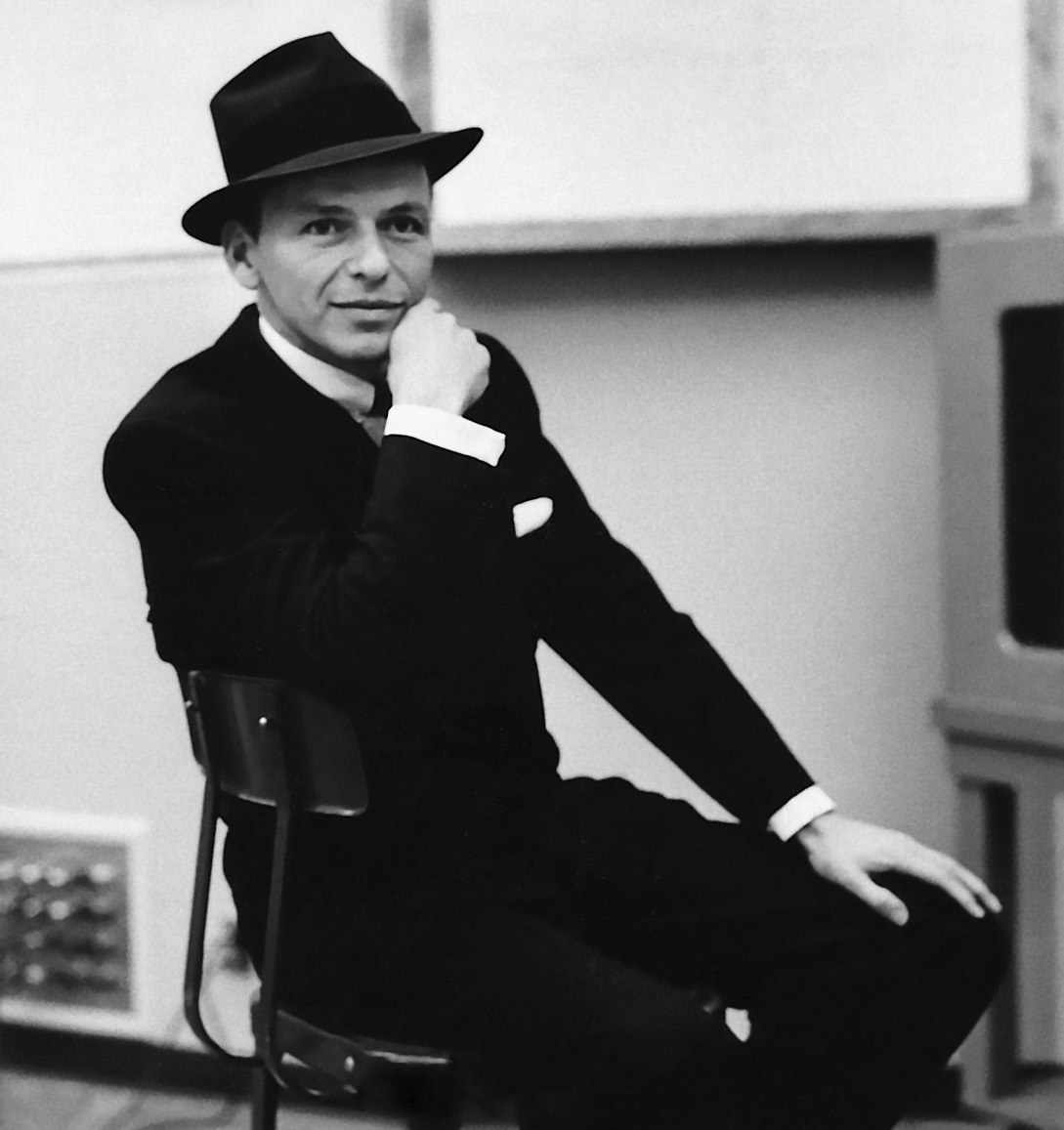
Martin did. “Until then, we’ll have to muddle through somehow” became “Hang a shining star upon the highest bough.”
That cheerful Sinatra version helped turn the song into a Christmas standard, and today it has been recorded by countless artists, some singing one line and some the other.
“It’s been a little confusing,” Martin admitted, “because half the people sing one line and half sing the other.”
Watch Judy Garland sing the song to little Tootie, the way the world first heard it, in the video above.
Images: frames from Turner Classic Movies’ official clip of Meet Me in St. Louis (1944); Frank Sinatra 1957 Capitol Records photo, public domain, via Wikimedia Commons.
More stories you might love
 Studio Executives Cut “Over the Rainbow” From The Wizard of Oz Because It Slowed the Film Down. Then a Producer Fought to Put It Back
 Judy Garland Brought Her 18-Year-Old Daughter Onto the London Palladium Stage. Then Mother and Daughter Sang Together
 Bing Crosby Met David Bowie Weeks Before He Died. What They Sang Became a Christmas Classic