Chestnuts roasting on an open fire. Jack Frost nipping at your nose.
It is hard to think of a line that sounds more like Christmas. So it may surprise you to learn that it was written in the middle of a sweltering California summer, by a man who was simply desperate to feel cold.
Four lines on a spiral pad
It was July 1945. A young singer named Mel Tormé, still a teenager, drove out to the San Fernando Valley to work with his songwriting partner, Bob Wells.
It was one of those days when the heat just will not let go. Wells had tried everything. He had gone for a swim. He had taken a cold shower. Nothing worked.
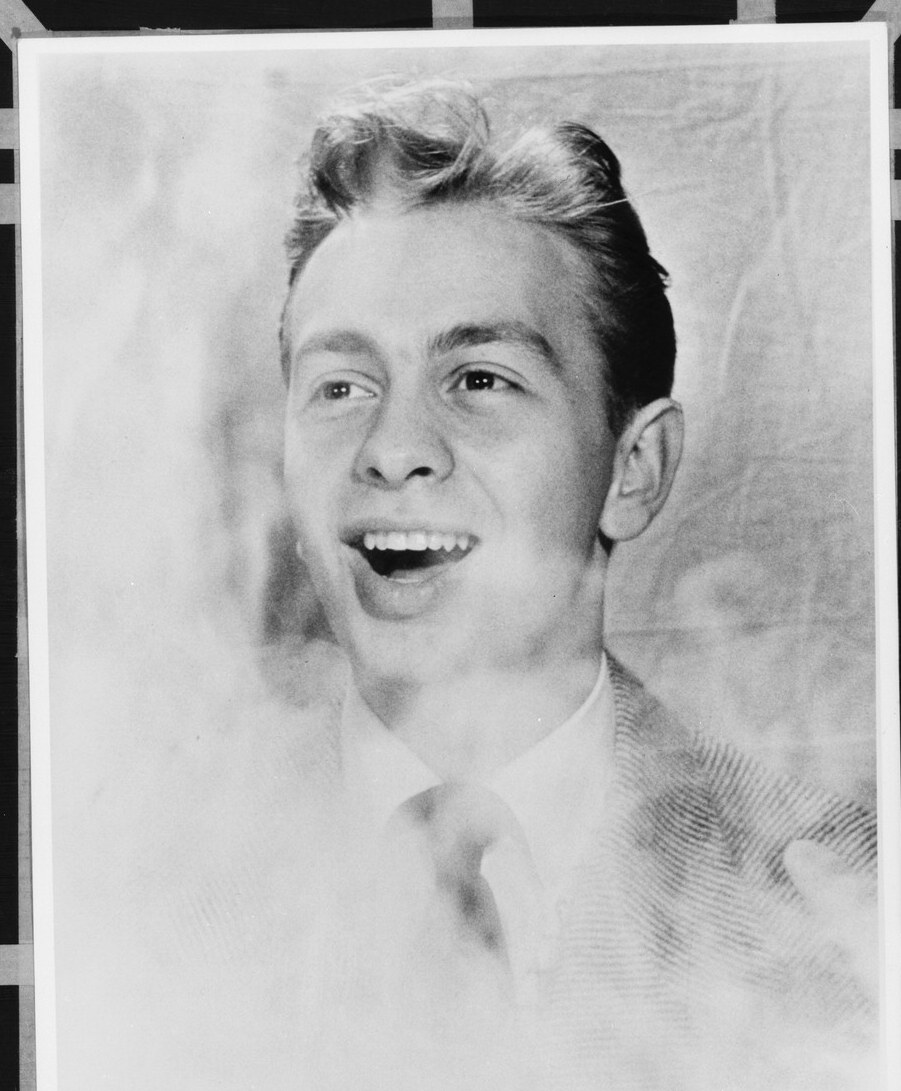
When Tormé walked in, Wells was nowhere to be found. But there was a spiral notepad sitting on the piano, with four lines written in pencil:
Chestnuts roasting on an open fire
Jack Frost nipping at your nose
Yuletide carols being sung by a choir
And folks dressed up like Eskimos
“What’s this?” Tormé asked when his friend appeared.
Wells explained that he hadn’t been writing a song at all. He was just trying to think about winter, about the snowy Christmases of his boyhood in Massachusetts, hoping it might make him feel cooler. Tormé later called it trying to “stay cool by thinking cool.”
Forty minutes later
Tormé looked at the four lines again and said he thought there might be something there.
The two of them sat down at the piano. “Forty minutes later that song was written,” Tormé remembered. “I wrote all the music and some of the lyrics.”
They were thrilled. They took it to a music publisher that same day, who turned it down. Who wants a song that only gets played one month a year?
“That’s my song”
So they took it to a singer they knew, a jazz pianist with a velvet voice named Nat Cole.
He listened once and asked them to play it again. Before they had even finished, he stopped them. “That’s my song,” he said.
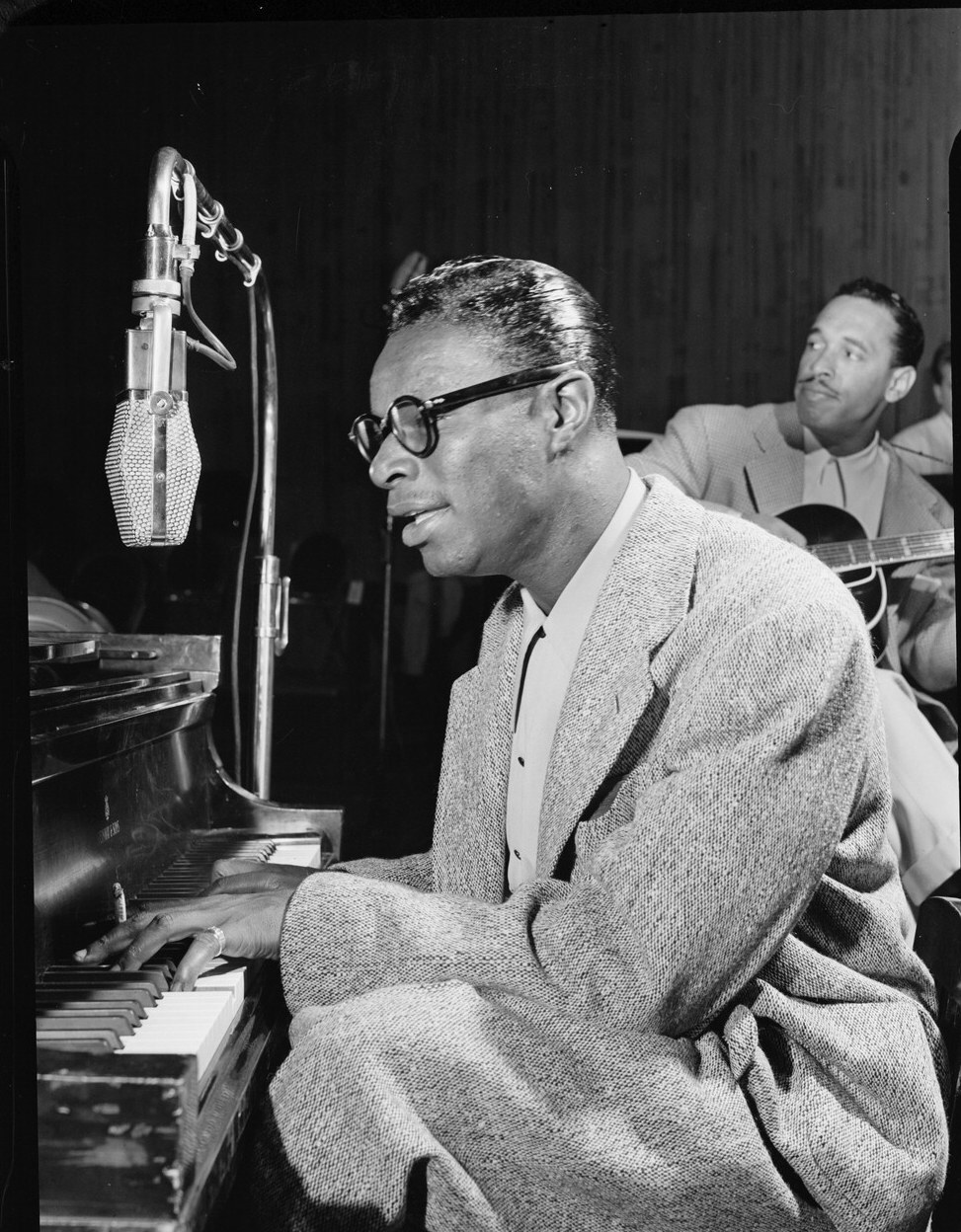
In June 1946, Cole recorded it in New York with his King Cole Trio, just piano, guitar and bass.
But he couldn’t shake the feeling that the song needed strings. His record label, Capitol, didn’t like the idea. A jazz trio with violins? Cole insisted.
Two months later, in August 1946, he went back into the studio, this time with four string players and a harp. That version came out in November 1946, and it became a huge hit.
He recorded it four times
Cole never really stopped working on it. He recorded the song again in 1953 with a full orchestra, and once more in 1961, this time in stereo.
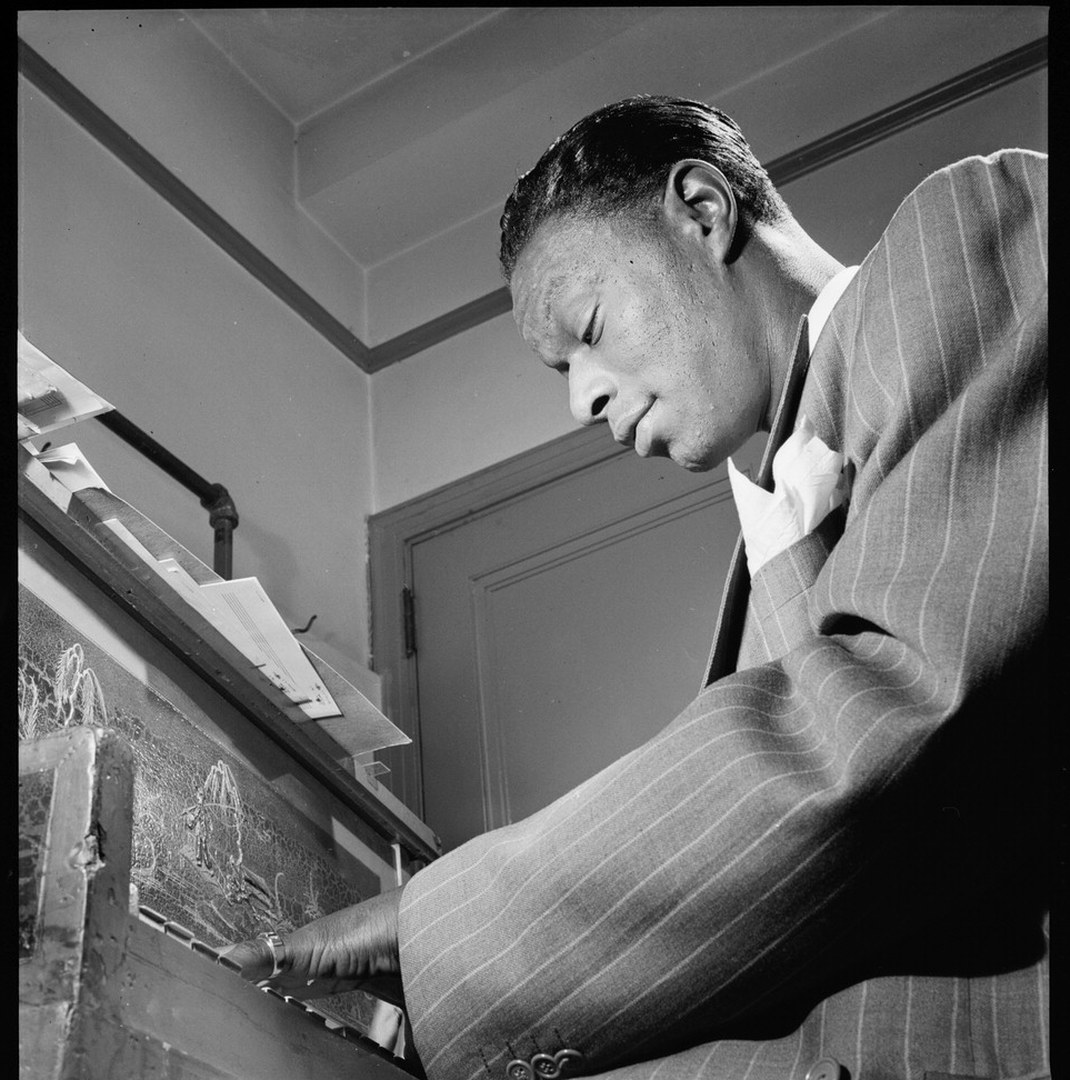
That 1961 recording is the one most of us hear on the radio every December. In 2022, the Library of Congress added it to the National Recording Registry, and the original 1946 version is in the Grammy Hall of Fame.
According to the music rights group BMI, it is the most-performed Christmas song of all time.
Merry Christmas to you
Mel Tormé went on to become one of the great jazz singers, known as “The Velvet Fog.” He recorded the song himself, too. But for most of the world, the version that matters is Nat’s.
Not bad for a song that started as four lines on a notepad, written by a man who just wanted to cool off on a hot summer afternoon.
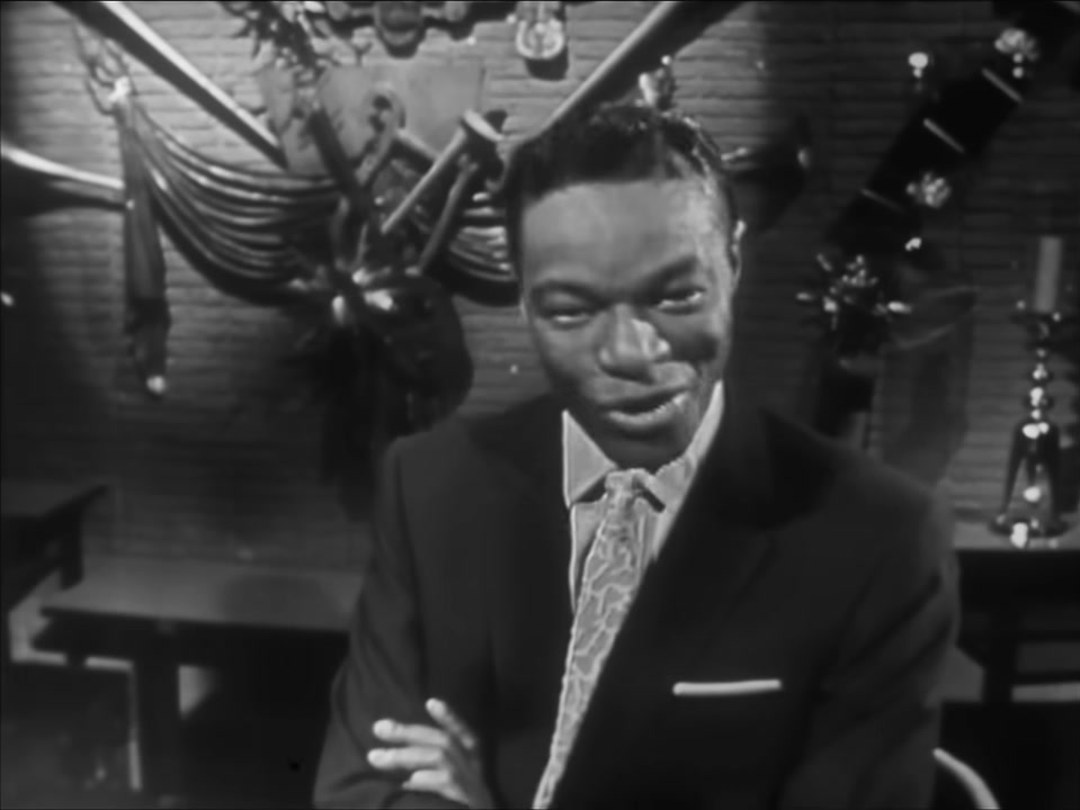
Watch Nat King Cole sing it on his television show in the video above.
Images: William P. Gottlieb photographs, public domain, Library of Congress via Wikimedia Commons; TV frame from the official Nat King Cole YouTube channel.
More stories you might love
 Bing Crosby Met David Bowie Weeks Before He Died. What They Sang Became a Christmas Classic
 Elvis Wanted to Record Her Song. Dolly Parton Said No and Cried All Night. The Story Behind “I Will Always Love You”
 Patsy Cline Hated This Song the First Time She Heard It. Willie Nelson Was Waiting Outside in the Car