Elvis Presley wanted to sing her song. Any young songwriter would have said yes in a heartbeat.
Dolly Parton said no. Then she cried all night.
Almost twenty years later, that hard decision turned one quiet country song into one of the most famous records ever made.
A goodbye she couldn’t say out loud
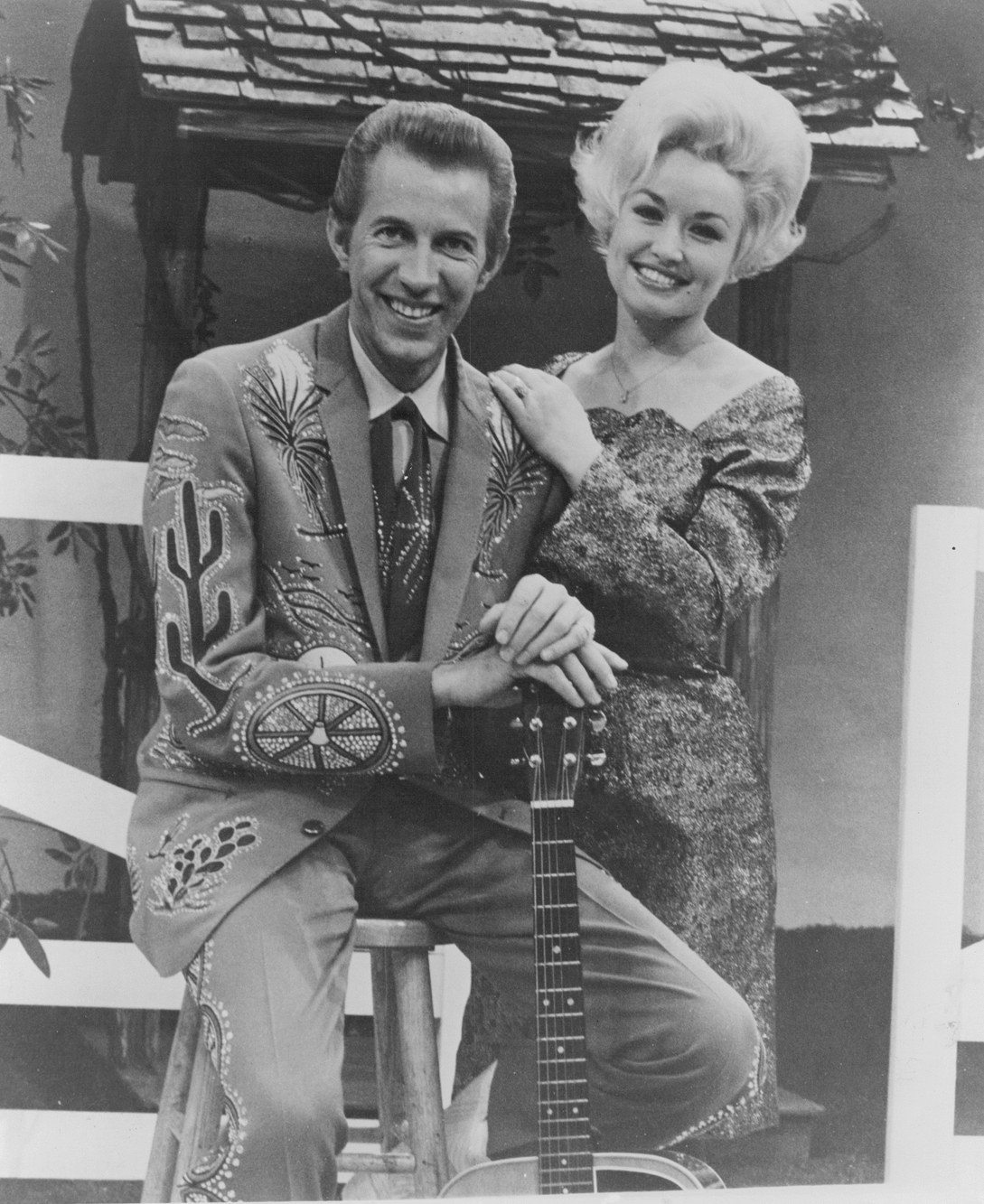
In 1967, a young singer from the Smoky Mountains got her big break. Country star Porter Wagoner hired Dolly Parton for his popular TV show.
For seven years they were a team. They sang duets, toured together and made hit records. Porter had given her the start she had dreamed of.
But by 1973, Dolly knew she had to go out on her own.
“I had come to Nashville to be my own star,” she said years later. “I didn’t want to spend the rest of my life being a girl singer.”
Telling Porter was the hard part. He did not want her to leave, and she did not want to hurt him.
“I thought, well, what do you do best? You write songs,” she remembered. “So I sat down and I wrote this song.”
It was a song about leaving someone and still loving them. She called it “I Will Always Love You.” Amazingly, she wrote it on the same day as another of her greatest hits, “Jolene.”
“That’s the best song you’ve ever written”
The next morning, Dolly walked into Porter’s office, asked him to sit down, and sang it to him with just her guitar.
When she finished, he had tears running down his face.
He told her it was the best song she had ever written. Then he said: “You can go if I can produce the record.”
He did. In 1974, the song went to number one on the country charts.
The phone call from Elvis
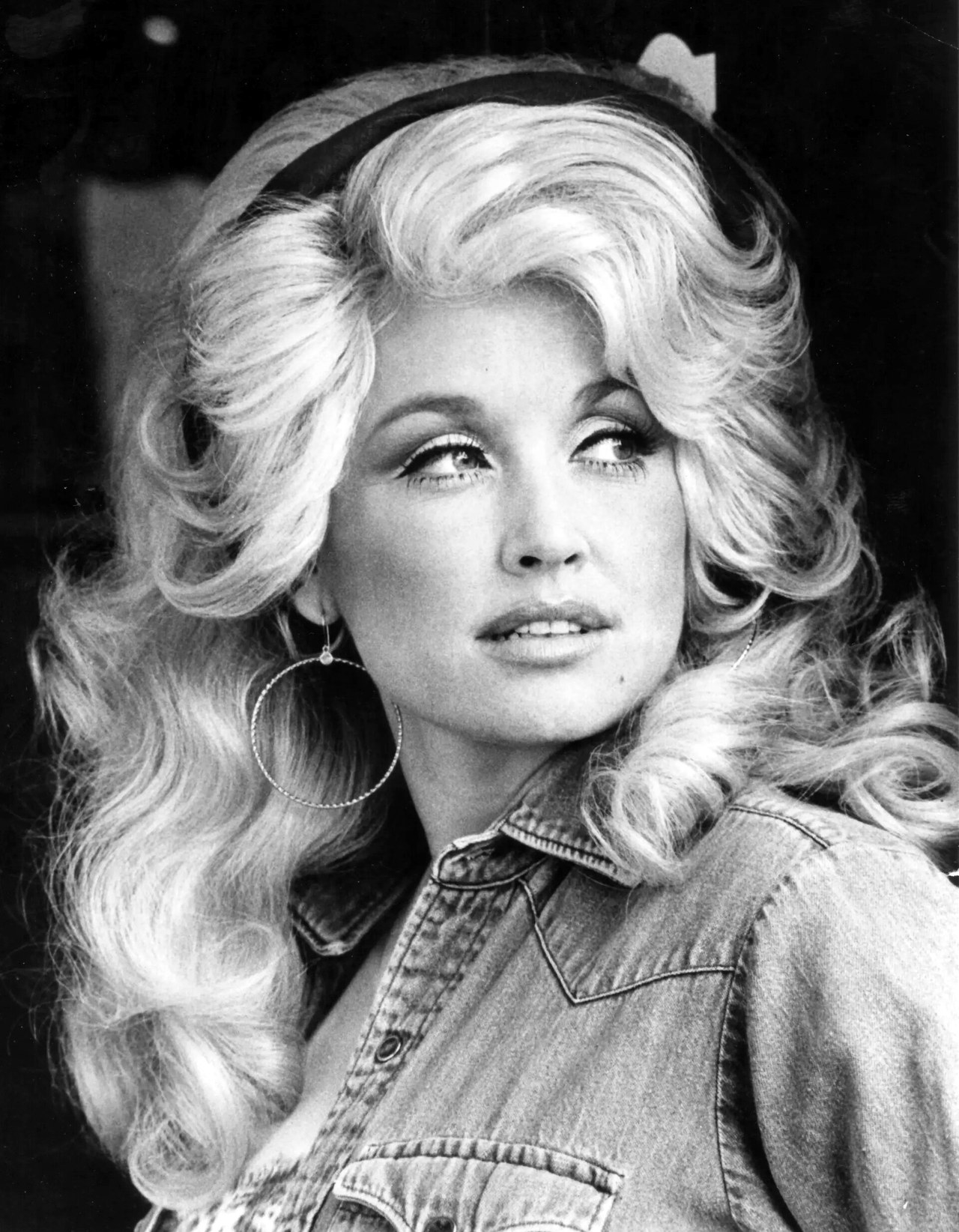
Then came news that made her almost dizzy. Elvis Presley loved the song and wanted to record it.
Dolly was thrilled. She told everyone. She had even been invited to the studio to watch him sing it.
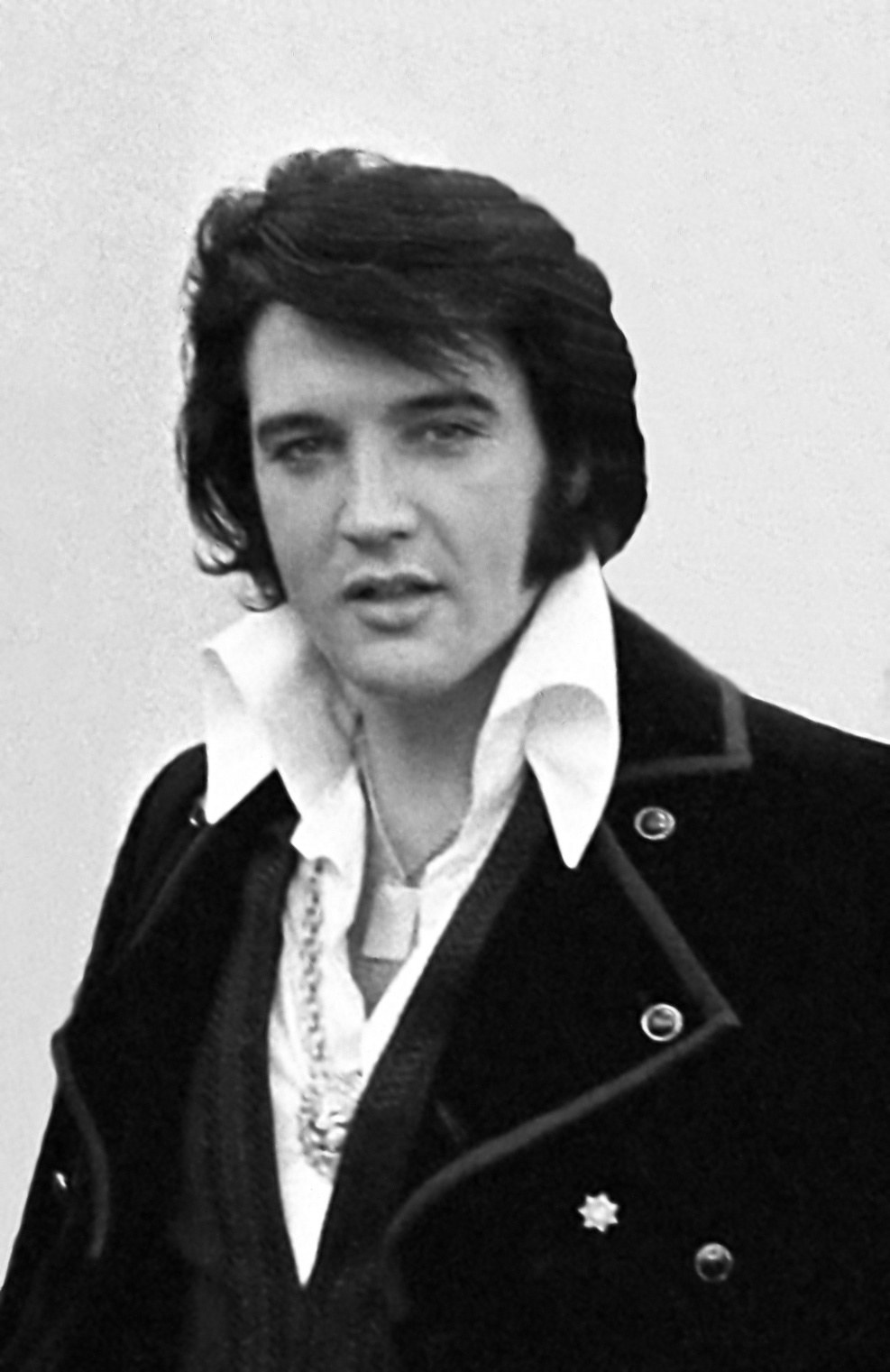
But a day or two before the session, Elvis’s manager, Colonel Tom Parker, called. Elvis, he explained, didn’t record songs unless they got half of the publishing. In other words, Dolly would have to give up half of what her song would earn, forever.
“I said, ‘I can’t do that,’” Dolly remembered. The song was already a hit for her, and it belonged to her own company.
“Of course I cried all night about that,” she said. She later called it one of the first really hard business decisions of her life.
The night she almost drove off the road
Dolly sang the song again for a 1982 movie with Burt Reynolds, and it went to number one on the country charts a second time.
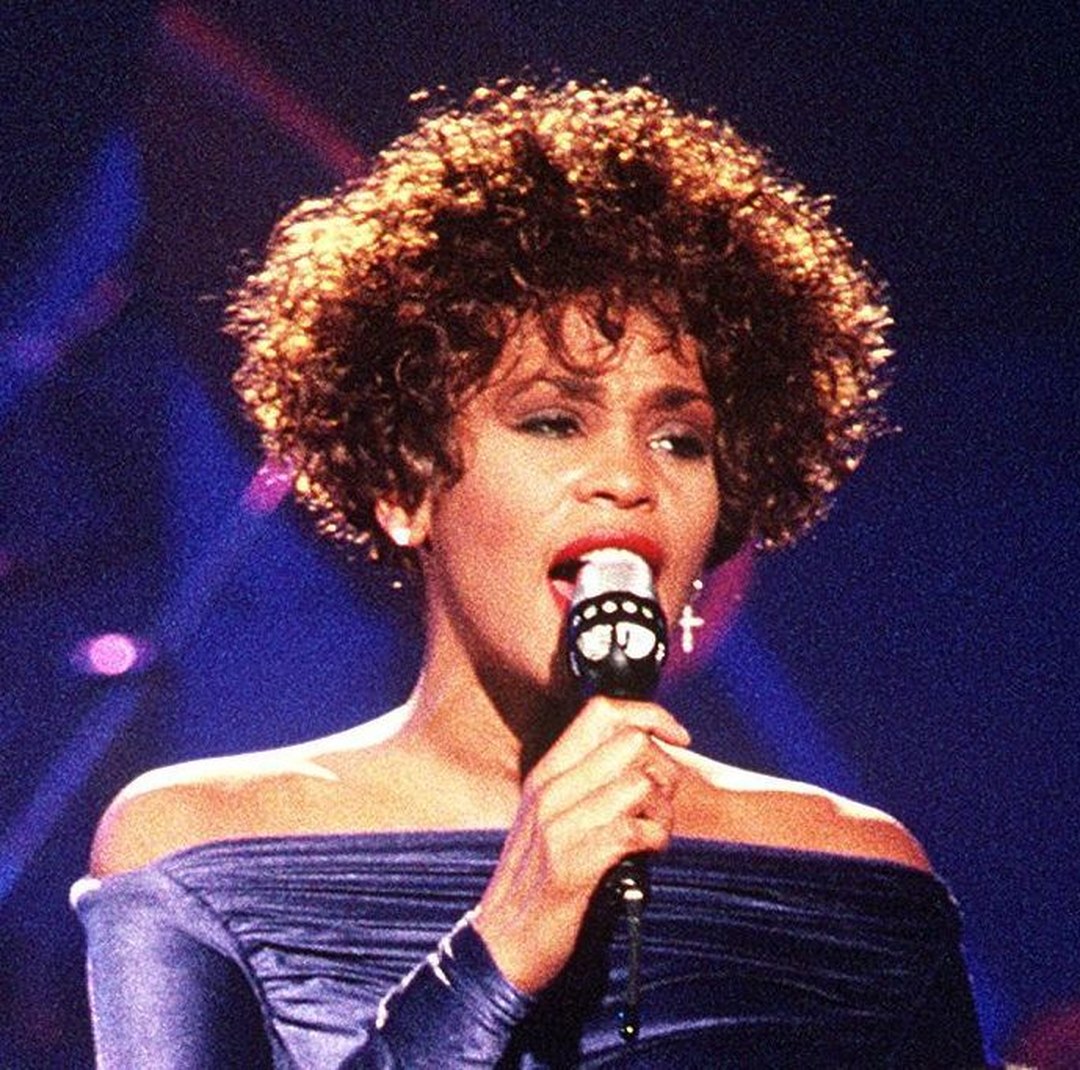
Then, in 1992, actor Kevin Costner was making a film called The Bodyguard with Whitney Houston. He suggested she sing an old country song, “I Will Always Love You,” and he wanted her to start it with no music at all.
Dolly had no idea how it would sound. She first heard Whitney’s version on the radio while driving home.
When Whitney hit the big chorus, Dolly was so overwhelmed that she had to pull over before she wrecked her car. “I couldn’t believe my little country sad song could even be done like that,” she said. She called it one of the greatest experiences of her life.
What she did with the money
Whitney’s version spent 14 weeks at number one in America and sold millions of copies around the world.
Because Dolly had kept her rights, every one of those records paid her too. She has joked that she made enough from the song to buy Graceland, Elvis’s home, several times over.
After Whitney passed away in 2012, Dolly revealed one thing she had done with some of that money. She bought a shopping center in a mostly Black neighborhood in Nashville, as a quiet tribute to the woman who had made her song famous.
“This is the perfect place for me to be,” she said, “considering it was Whitney.”
Fifty years after she wrote it, “I Will Always Love You” is sung at weddings, funerals and goodbyes all over the world. It all began with a young woman who did not know how to say thank you and goodbye to the man who gave her a start.
Listen to Dolly Parton’s original recording in the official audio above.
Photos via Wikimedia Commons: Porter Wagoner and Dolly Parton, Moeller Talent publicity photo (public domain); Dolly Parton by David Gahr (public domain); Elvis Presley by Ollie Atkins, White House (public domain); Whitney Houston by PH2 Mark Kettenhofen, U.S. Navy (public domain).
More stories you might love
 The Other Kids Laughed at the Coat Her Mama Sewed From Rags. Dolly Parton Turned It Into a Song the Whole World Loves
 Neil Diamond Kept the Secret Behind “Sweet Caroline” for Almost 40 Years. It Began With a Little Girl, Her Pony and a Name That Wouldn’t Fit
 His Wife Wrote a Poem About a Busy Father. He Turned It Into a Song That Still Makes Grown Men Cry