On December 16, 1965, two American astronauts were circling the Earth in a tiny Gemini capsule when one of them came on the radio with an urgent report.
“We have an object, looks like a satellite going from north to south, probably in a polar orbit,” said Tom Stafford. It was very low, he said. It looked like it might be about to come down. “Stand by one. It looks like he’s trying to signal something.”
Down in Mission Control, people leaned in. Then the radio filled with a sound nobody had ever heard from space before.
A song that wasn’t about Christmas
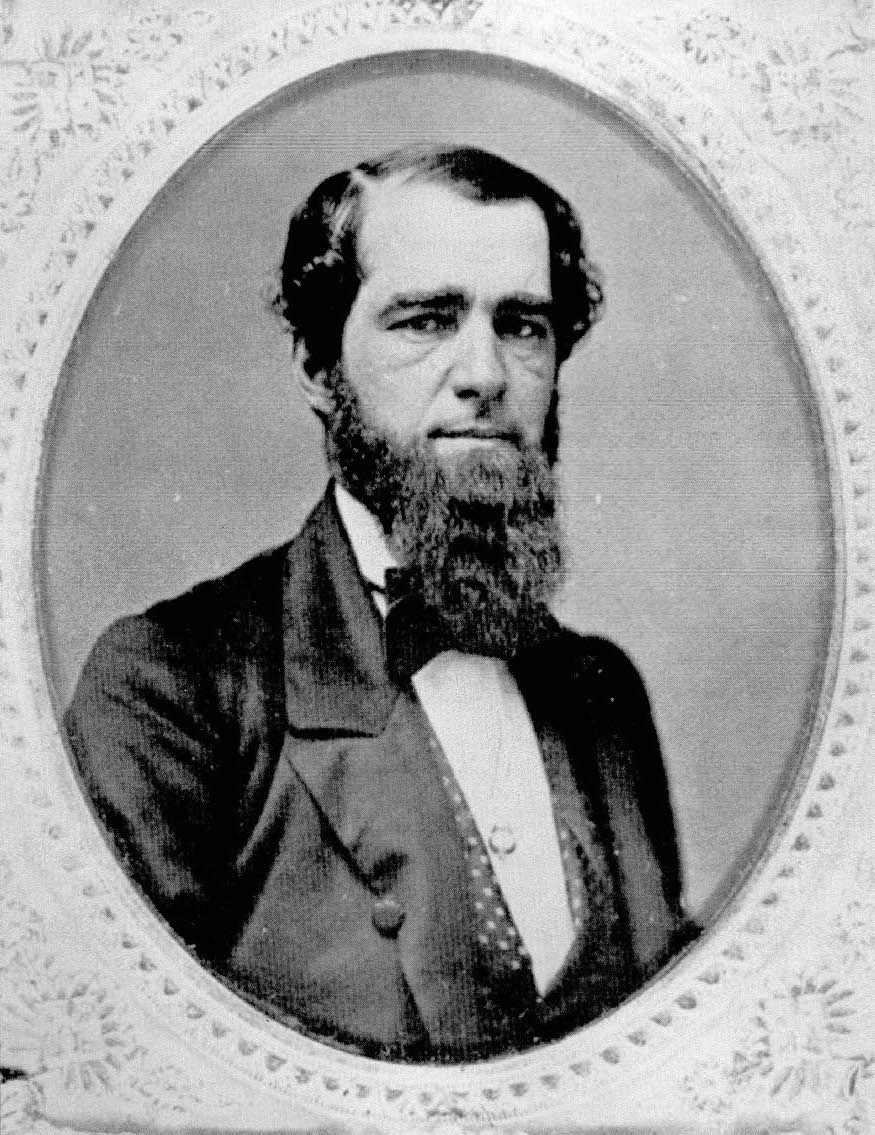
To understand what happened next, we need to go back more than a century, to a Massachusetts songwriter named James Lord Pierpont.
In September 1857 Pierpont published a lively little song called “The One Horse Open Sleigh.” It was about dashing through the snow, racing sleighs and flirting with a girl named Miss Fanny Bright.
Read the words again. There is no Christmas in it at all. No Santa, no tree, no presents.
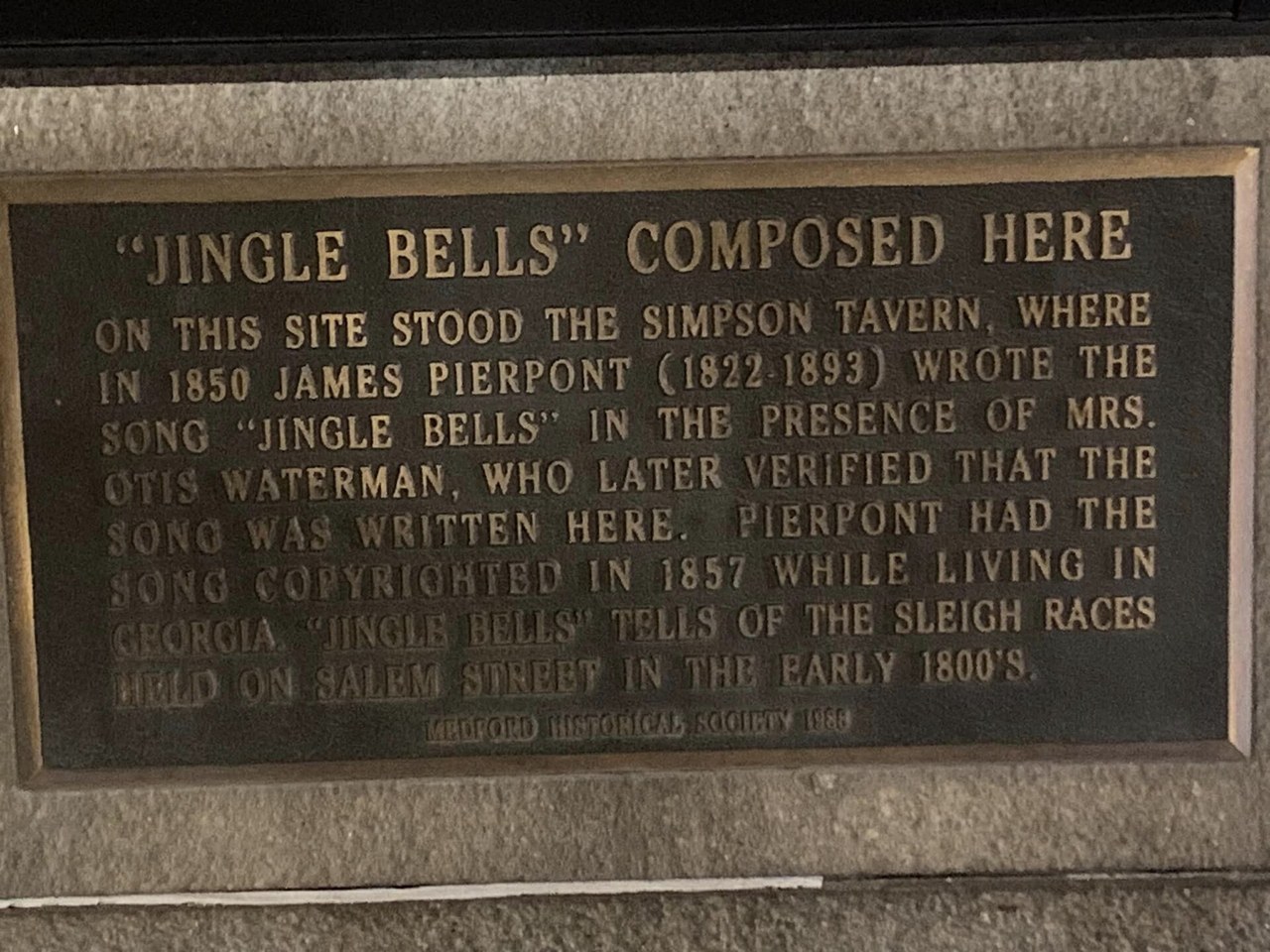
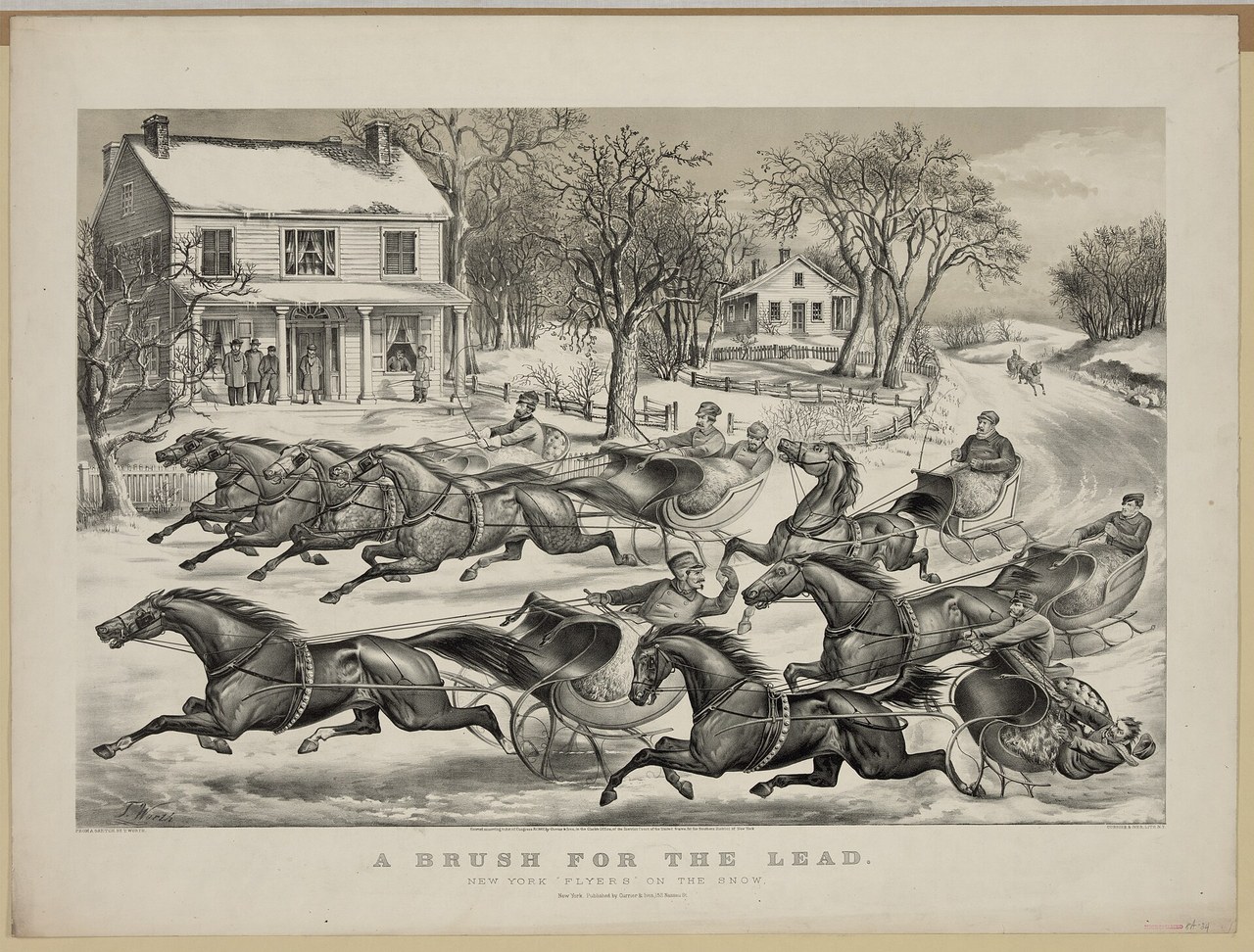
Nobody is quite sure where he wrote it. A plaque in Medford, Massachusetts, says it happened there in 1850, at the old Simpson Tavern, inspired by the town’s famous sleigh races. There is a popular story that it was written for a Thanksgiving program. Savannah, Georgia, where Pierpont moved and spent the rest of his life, has its own claim. Historians are still arguing.
Two years later it was republished with a catchier name, “Jingle Bells.” Over the next couple of decades people began to link it with winter holidays, and by the 1880s it was turning up in songbooks everywhere as a Christmas favourite, without ever mentioning Christmas.
In 1889 it was recorded on an Edison wax cylinder, one of the first Christmas records ever made. That recording is lost, but a version from 1898 still survives.
Back in orbit
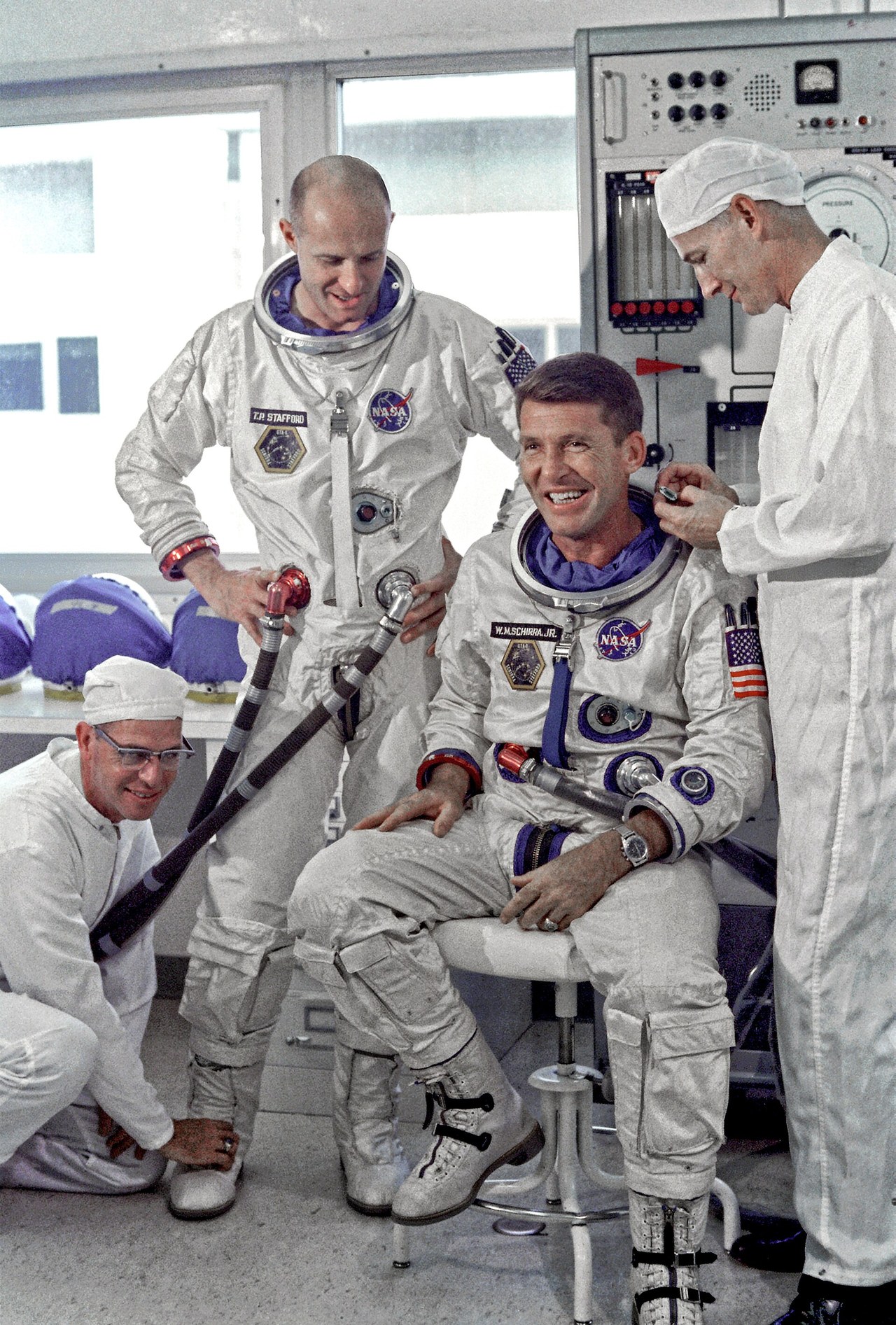
Now, back to December 1965. Stafford and his commander, Wally Schirra, had just pulled off something historic. Their Gemini 6 capsule had met up with another spacecraft, Gemini 7, flying with Frank Borman and Jim Lovell. It was the first time two crewed spacecraft had ever met in space.
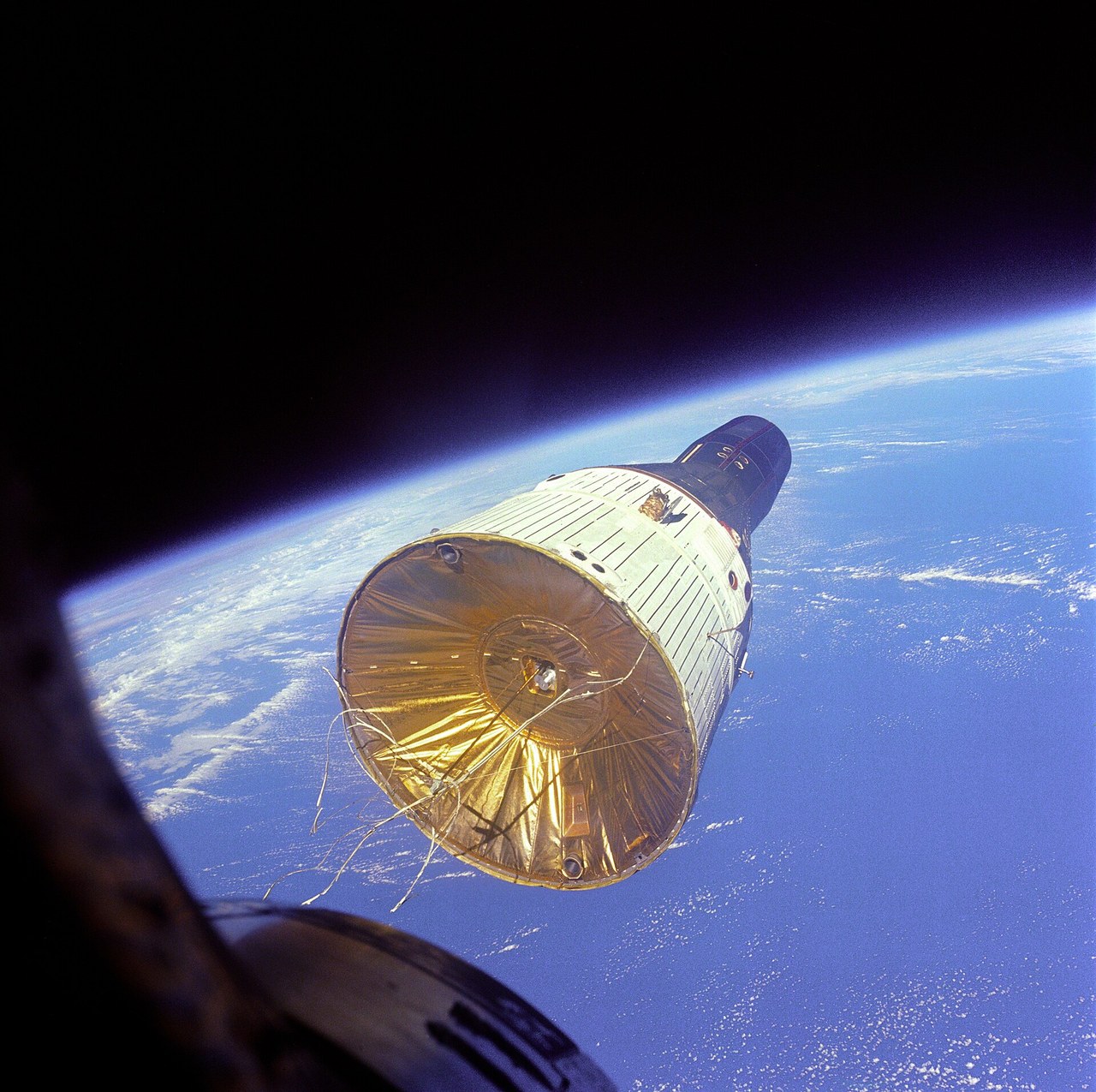
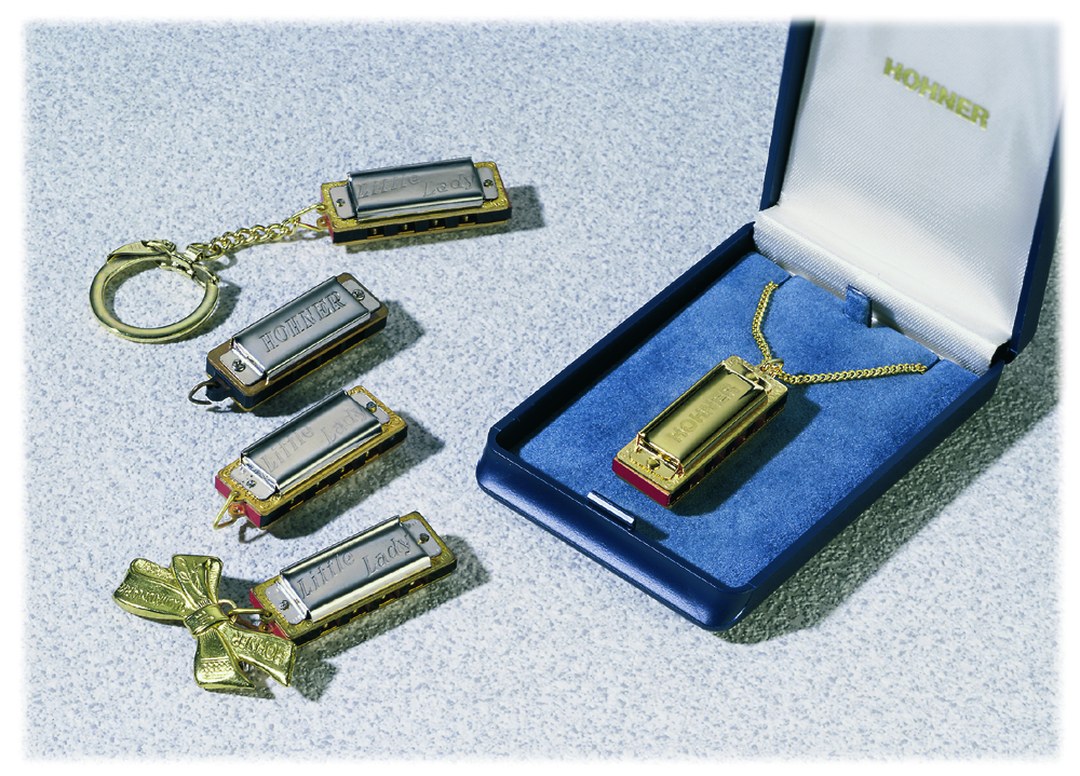
Schirra was famous as the joker of the astronaut corps, and he had a plan. Before the flight, he and Stafford had quietly practiced a little number, without telling Mission Control. They had smuggled their instruments on board with their personal items.
So on the last day of the flight, just before heading home, Stafford reported his mysterious “satellite.” Then Schirra pulled out a tiny Hohner “Little Lady” harmonica, about an inch long with just eight notes, and Stafford shook a string of little sleigh bells.
And from orbit, high above the Earth, they played “Jingle Bells.”
“You’re too much,” came the reply from Houston.
It was the first time anyone had ever played a musical instrument in space.
Where they are now
Gemini 6 splashed down safely the next day. In 1967, Schirra and Stafford gave the harmonica and the bells to the Smithsonian’s National Air and Space Museum in Washington, where you can still see them today.
“It’s not the best rendition of ‘Jingle Bells’ ever,” the museum’s curator Emily Margolis admits, “but it was actually pretty good considering they had limited instrumentation.”
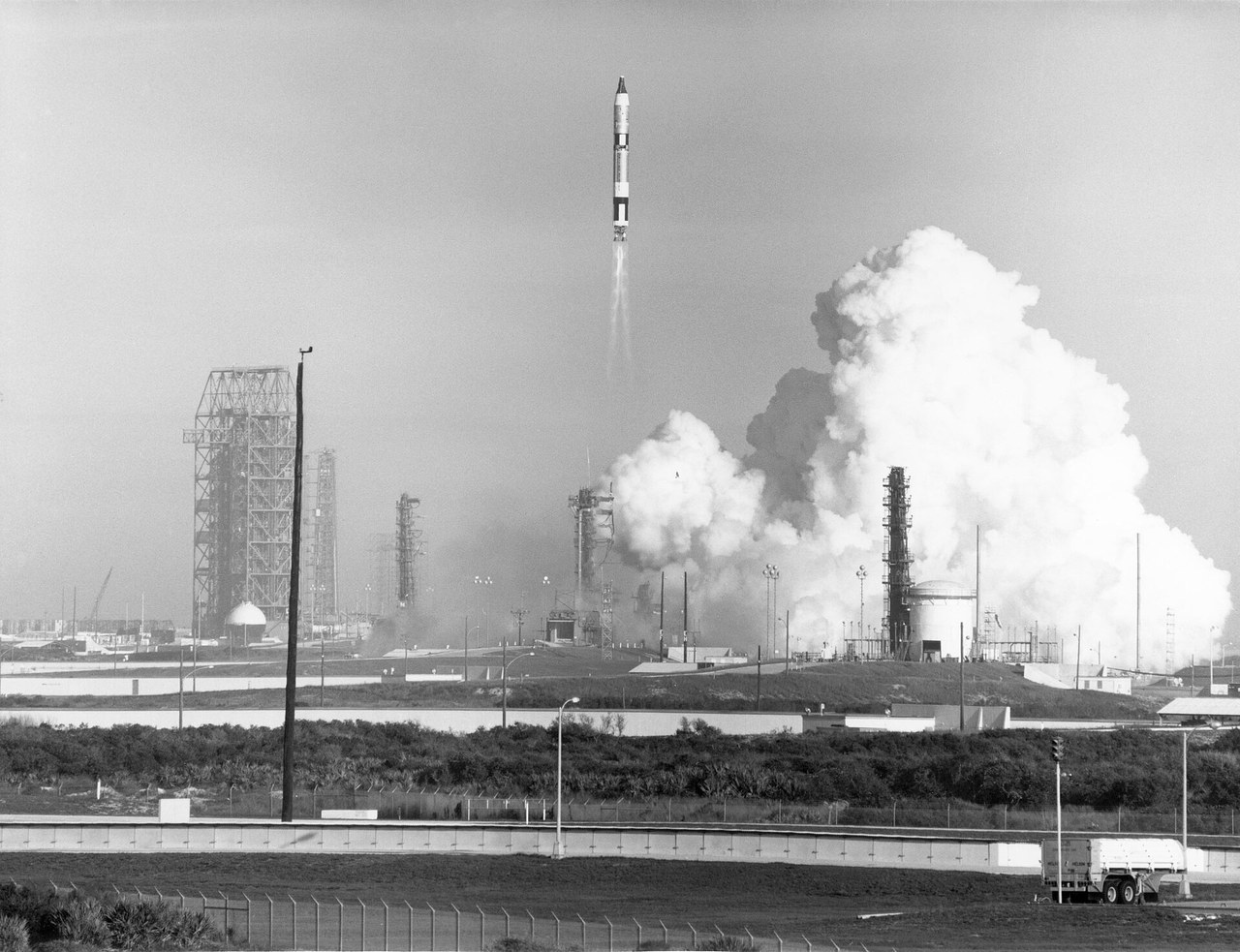
Not bad for a 19th-century sleigh-racing song that was never about Christmas. It went from a Boston songbook to every living room in America, and then all the way to outer space.
Press play above to see the real harmonica and bells and hear the story from the Smithsonian.
Images via Wikimedia Commons: NASA (public domain); James Lord Pierpont portrait and 1857 sheet music (public domain); Medford plaque by IntrepidReason (CC BY-SA 4.0); Currier & Ives print (public domain); Hohner Little Lady harmonicas by Grassinger (CC BY-SA 3.0).
More stories you might love
 His Wife Was Dying When He Wrote Rudolph. He Said He Needed the Little Reindeer “More Than Ever”
 José Feliciano Was Blind, Homesick and Far From His Family. Then His Producer Asked for One More Christmas Song
 George Michael Slipped Upstairs During a Football Match and Came Back With ‘Last Christmas’. Then He Gave Its Money Away