You better watch out. You better not cry. Every child knows the words, and every December they come back on the radio as bright and bouncy as ever.
But the man who wrote them was not feeling bright or bouncy at all. He was grieving.
A printer who wrote songs
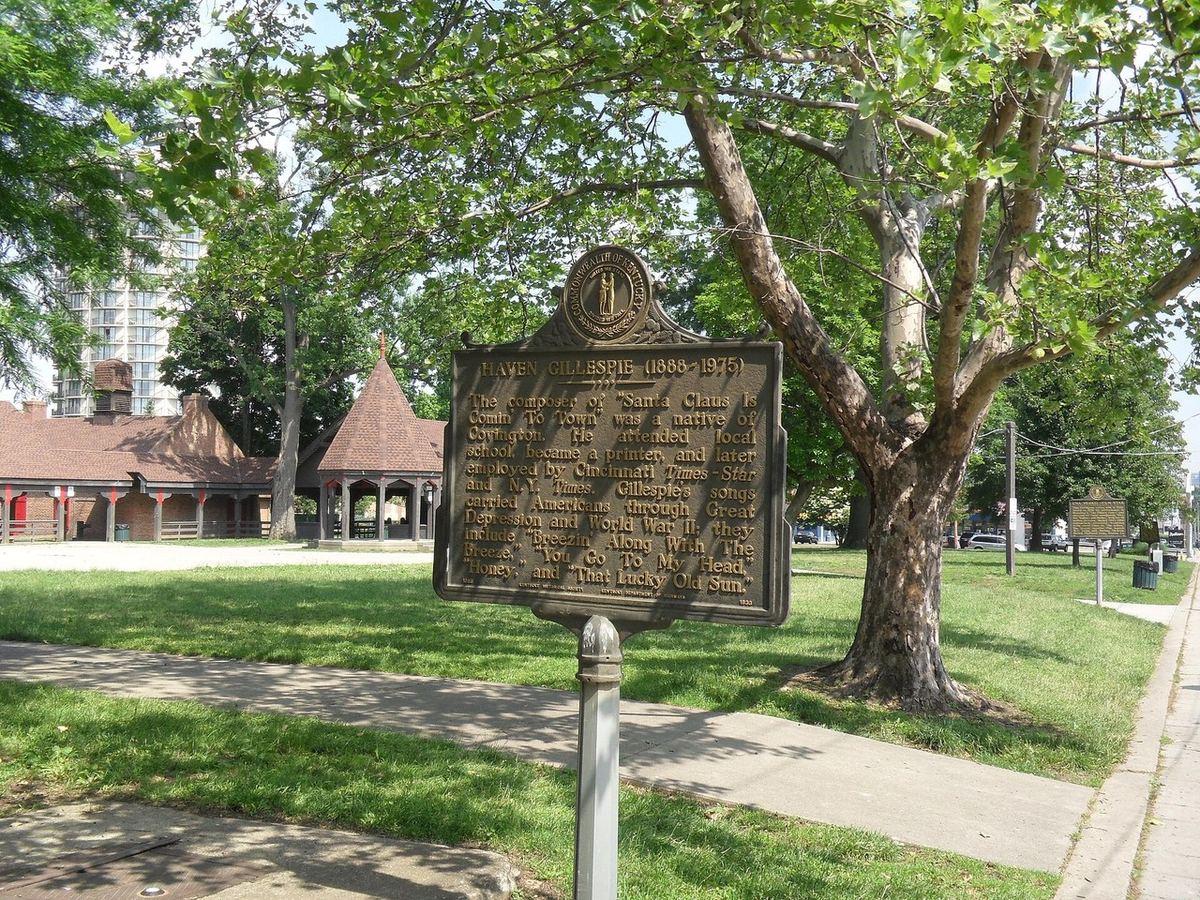
Haven Gillespie grew up poor in Covington, Kentucky, one of nine children, in a family that for a time lived in the basement of a house. He went to work as a printer, and he kept that job on and off for years, because, as he put it, he had ink in his blood.
But he also had a gift for words. Without any musical training, he became a busy songwriter for the publishers of New York’s Tin Pan Alley.
In the autumn of 1934, his younger brother Irwin died. Haven went to the funeral in Kentucky, and then he headed straight to New York to deliver a batch of songs to his publisher.
The last thing he wanted to write
At the publisher’s office, a manager named Edgar Bittner had a request. Could Haven write a children’s Christmas song? He had, Bittner told him, a vocabulary that kids could understand.
Haven was in no mood. He had just buried his brother. A happy little song for children was the last thing he wanted to write. But he agreed to try, and he left with his friend and songwriting partner, the composer J. Fred Coots.

Fifteen minutes on the subway
The two men got on the subway and sat at opposite ends of the car, each waiting for an idea.
As the train rattled along, Haven’s thoughts drifted back to his childhood in Kentucky. He remembered his mother, every December, warning him and his brother Irwin to behave. Wash behind your ears, she would say. You’d better be good. Santa Claus will know.
He pulled an old envelope out of his pocket and started writing. Santa was making a list. He was checking it twice. He knew when you were sleeping and when you were awake.
By the time the train pulled in, the words were finished. It had taken him about fifteen minutes. Coots wrote a jaunty tune to go with them.
“A kiddie song”
At first, almost nobody wanted it. Singers and bandleaders thought it was just a silly song for children.
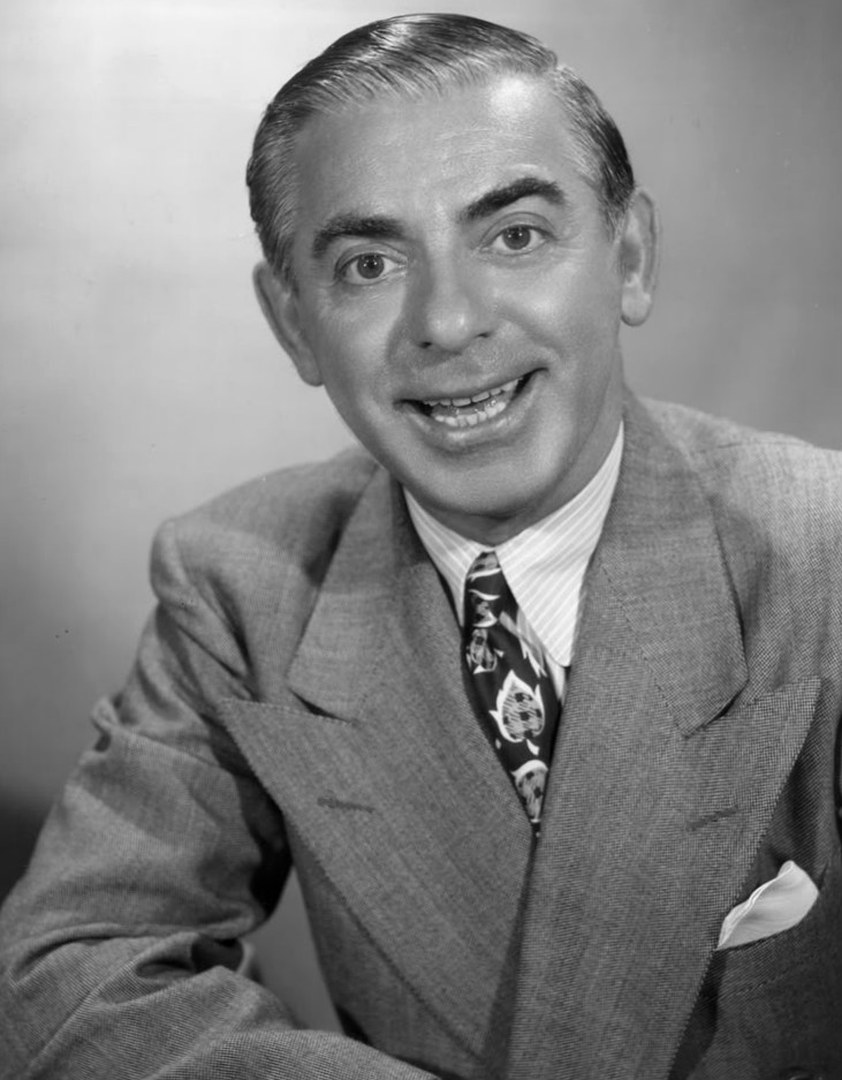
Coots called in a favour with his friend Eddie Cantor, one of the biggest radio stars in America. Cantor wasn’t impressed either. But his wife, Ida, heard it and loved it, and she talked him into giving it a chance.
Cantor sang it on his Thanksgiving radio show in November 1934.
The next morning, the orders came flooding in. Within weeks the sheet music was selling more than 25,000 copies a day.
The song that never stopped
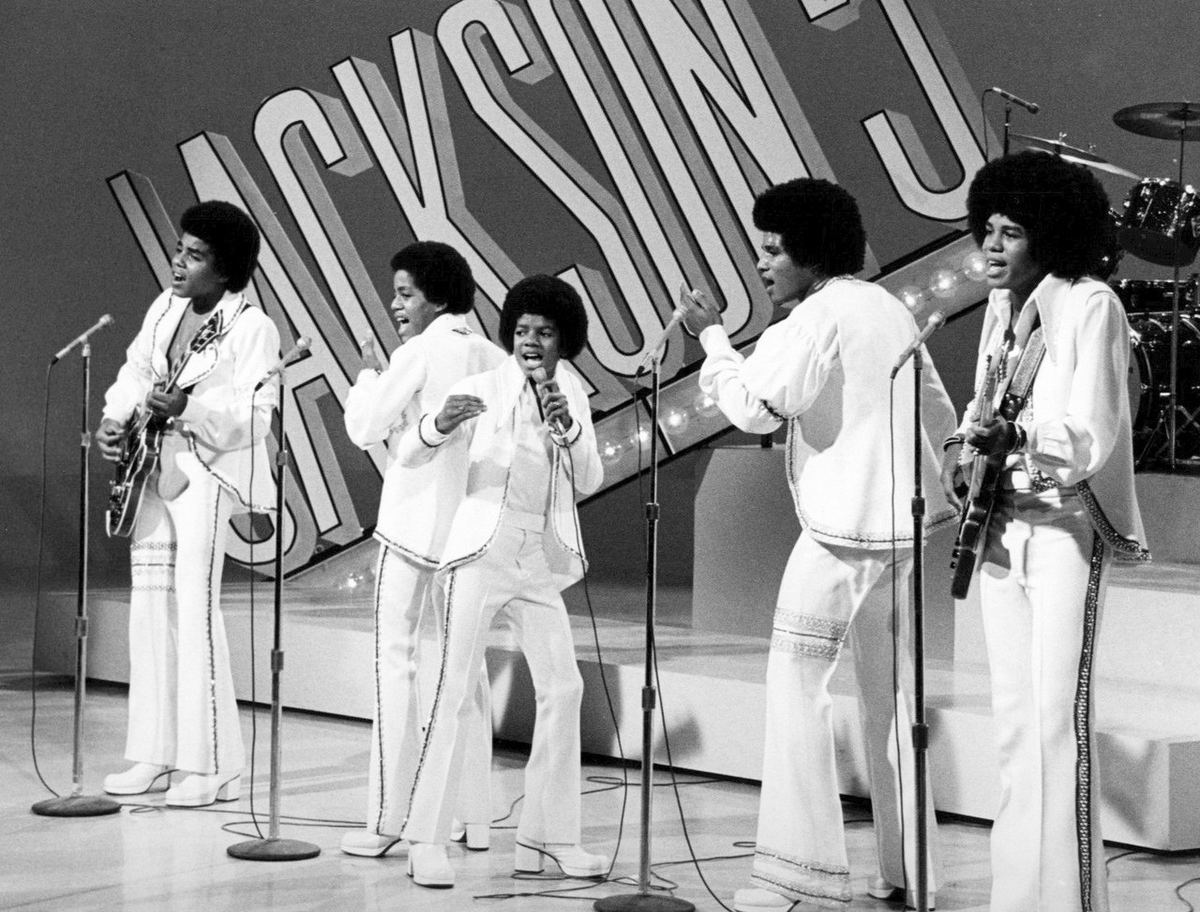
Since then it has been recorded by almost everyone. Bing Crosby, Frank Sinatra, the Jackson 5 and Mariah Carey all had a go, and Bruce Springsteen made it his own with a rowdy live version that still gets played every Christmas.
Haven Gillespie wrote more than a thousand songs in his life. None came close to this one.
And yet, according to a biography written by his nephew, he was never really happy about its success. Every time he heard it, it took him back to that terrible autumn, and to his brother Irwin, the boy his mother used to warn about Santa Claus.
So the next time you hear “you better watch out,” remember: it began as a grieving man’s memory of his mother and his little brother, scribbled on an envelope on a New York subway train.
Press play above for Bruce Springsteen’s famous version.
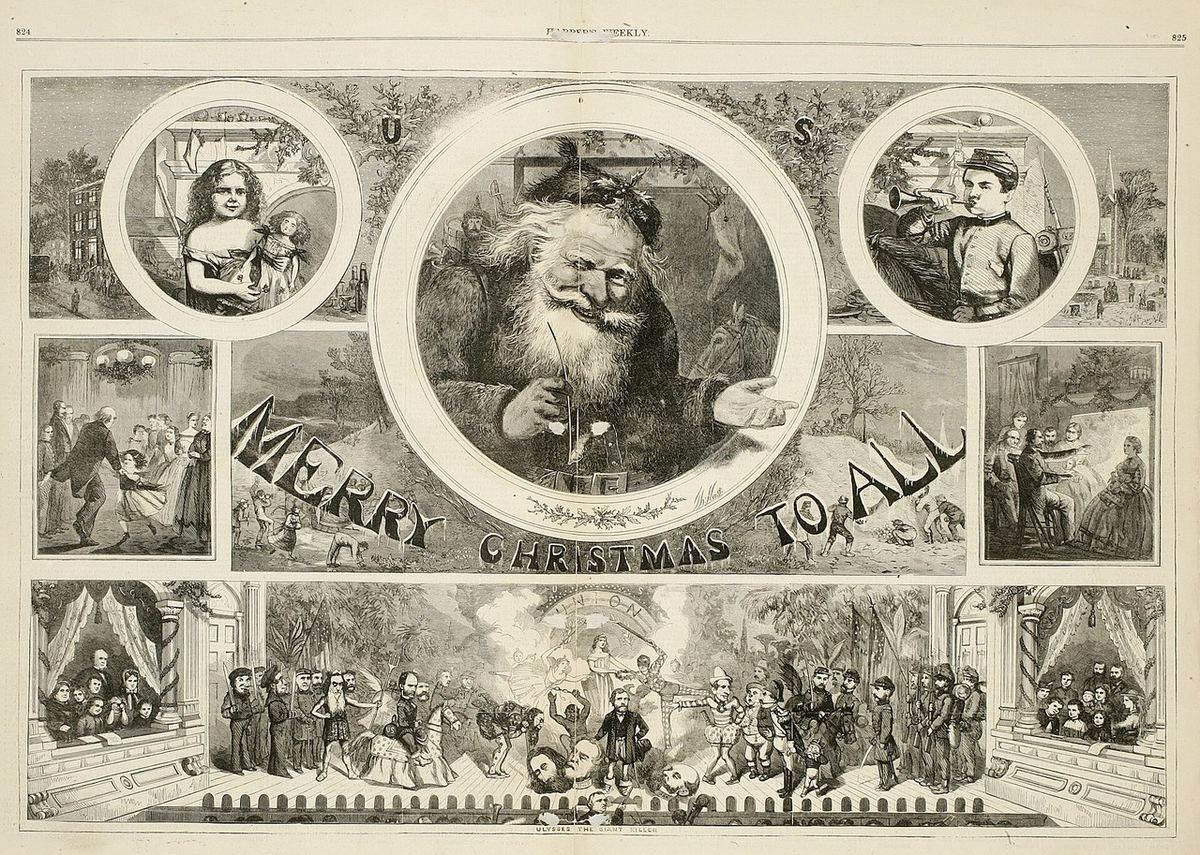
Images via Wikimedia Commons: Eddie Cantor (NBC Radio, public domain); Thomas Nast, Merry Christmas to All (public domain); vintage New York subway car by EmperorOfNYC (CC BY-SA 4.0); Haven Gillespie marker by Eric Fischer (CC BY 2.0); the Jackson 5 (CBS Television, public domain).
More stories you might love
 His Wife Was Dying When He Wrote Rudolph. He Said He Needed the Little Reindeer “More Than Ever”
 It Was a Blazing July Day When Two Friends Wrote “Chestnuts Roasting on an Open Fire.” They Were Just Trying to Cool Off
 José Feliciano Was Blind, Homesick and Far From His Family. Then His Producer Asked for One More Christmas Song